

Difference Between Wool and Silk Rugs
When choosing a handmade Persian rug, one of the most common decisions buyers face…
HAND-KNOTED PERSIAN RUG COLLECTIONS
When choosing a handmade Persian rug, one of the most common decisions buyers face is whether to go with a wool rug or a silk rug. Both materials have been used in traditional rug weaving for centuries, and each brings its own unique qualities to the final piece. Rather than one being universally better than the other, wool and silk simply serve different purposes depending on how the rug will be used and the type of atmosphere you want to create in your space.
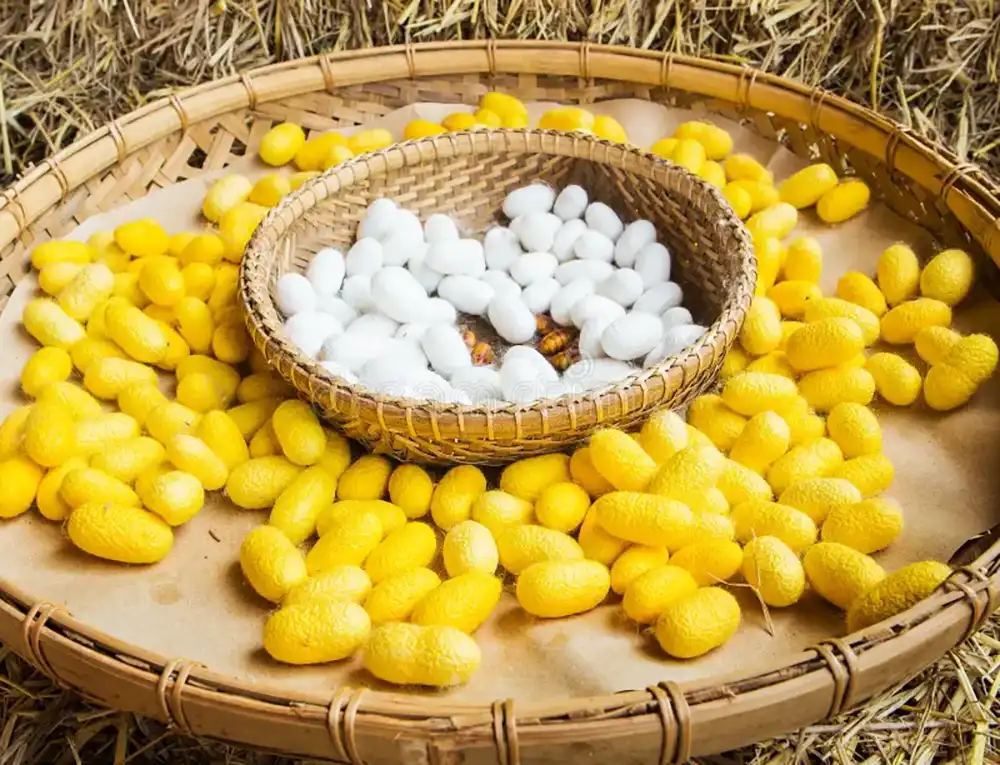
Wool is typically sourced from sheep and has long been valued for its resilience and natural softness. It offers a warm, comfortable texture underfoot and tends to perform well in everyday living environments. Silk, on the other hand, is derived from natural fibers produced by silkworms and is often appreciated for its smooth surface and subtle sheen. When used in rug weaving, silk can highlight fine details and create a refined visual effect that reacts beautifully to light.
Understanding the differences between wool and silk rugs is not about determining which material is superior it’s about knowing how each one functions in terms of durability, appearance, and practicality. In this guide, we’ll explore the key characteristics of both wool and silk rugs to help you decide which option best suits your lifestyle and interior setting.
Durability and Practical Use
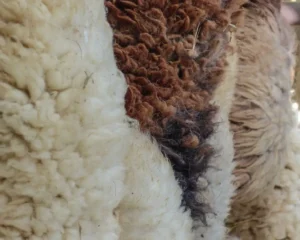
One of the main differences between wool and silk rugs lies in how they perform in daily living environments. Wool rugs are generally known for their durability and flexibility, making them well-suited for areas that experience regular foot traffic such as living rooms, hallways, or dining spaces. The natural elasticity of wool fibers allows them to bounce back after pressure, helping the rug maintain its structure and appearance over time.
Silk rugs, by contrast, are often more delicate due to the finer nature of the fiber. While silk is surprisingly strong for its weight, it is less forgiving in high-traffic settings where constant friction may affect the surface. For this reason, rugs made entirely from silk are typically placed in low-traffic areas such as bedrooms, formal sitting rooms, or display spaces where their intricate details can be appreciated without excessive wear.
That said, many handwoven Persian rugs combine wool foundations with silk highlights in the design. This allows the rug to maintain structural strength while benefiting from the subtle shine that silk adds to certain motifs or outlines.
Appearance and Texture
In terms of visual appeal, wool and silk create noticeably different effects. Wool rugs tend to have a matte, warm finish that gives a space a sense of comfort and approachability. Their texture feels soft yet substantial, contributing to a grounded and inviting atmosphere within a room.
Silk rugs, on the other hand, are often recognized for their luminous surface. The fibers reflect light in a way that can make colors appear richer and patterns more defined depending on the viewing angle. This reflective quality adds a level of depth that is difficult to achieve with wool alone.
Texture also plays a role in how each material feels underfoot. Wool provides a slightly thicker and more cushioned sensation, while silk feels smoother and more refined to the touch. Neither is inherently better the choice ultimately depends on whether you prioritize softness and warmth or visual clarity and elegance.
Maintenance and Care
From a maintenance standpoint, wool rugs are typically more forgiving. They naturally resist dirt and moisture due to the presence of lanolin in the fibers, which helps prevent particles from settling deep within the pile. This makes routine cleaning relatively straightforward when proper care techniques are followed.
Silk rugs require a bit more attention. Because the fibers are finer and more absorbent, spills and stains should be addressed quickly to avoid long-term effects. Gentle handling during cleaning is especially important to maintain the rug’s texture and color integrity over time.
Final Thoughts
Both wool and silk have played essential roles in the tradition of Persian rug weaving for generations. Each material offers its own balance of durability, texture, and visual character. Rather than viewing one as superior, it’s more helpful to consider how the rug will be used and what kind of presence you want it to have within your space.
Choosing between wool and silk ultimately comes down to lifestyle, placement, and personal preference — ensuring that the rug not only complements your interior but also performs well in its intended environment.