

Wool vs Silk Persian Rug
Choosing between a wool vs silk Persian rug is an important decision when buying…
Article Guide
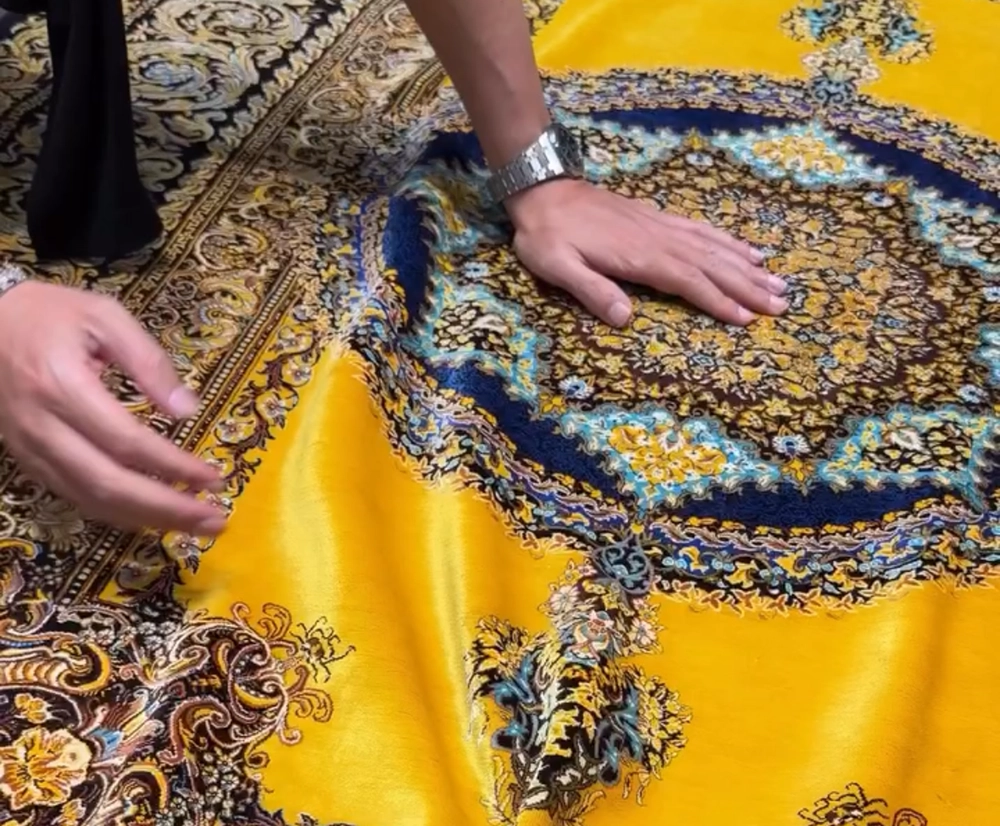
Choosing between a wool vs silk Persian rug is an important decision when buying a handmade Persian rug. Wool is usually better for daily use, busy homes, and high traffic rooms. Silk is more delicate, refined, and often chosen for formal spaces or collectors who want exceptional detail.
The right choice depends on your lifestyle. Will the rug go in a living room, dining room, bedroom, or quiet sitting area? Do you need durability, luxury, easy maintenance, or investment value? This guide explains the key differences so you can choose the best Persian rug material for your home.
What Is a Wool Persian Rug?
A wool Persian rug is a handmade rug woven mainly with sheep wool. Wool has been used in Persian rugs for centuries because it is durable, comfortable, and naturally suited to home life. A high quality wool rug has a soft touch, rich colors, and enough strength to handle regular walking without losing its character quickly.
Wool Persian rugs are popular because they offer balance. They can look elegant without being too fragile. A good wool rug can work under a coffee table, beside a bed, in a home office, or even under a dining table when the size and pile are appropriate. Wool also has natural elasticity, which helps the fibers recover from pressure caused by furniture and foot traffic.
What Is a Silk Persian Rug?
A silk Persian rug is woven with silk fibers, either fully or partly. Silk is admired for its sheen, smooth texture, and ability to create extremely fine details. Because silk fibers are thinner than wool, weavers can make tighter knots, sharper lines, and more intricate designs. This is why many silk rugs look formal, delicate, and almost jewel-like.
However, silk is not usually the first choice for high traffic areas. A silk rug is better placed in a formal living room, bedroom, private study, or decorative area where it will not face heavy use. It can be a stunning centerpiece, but it should be treated with more care than a wool rug.
Wool Persian Rug vs Silk Persian Rug: Key Differences
The main difference between a wool Persian rug vs silk Persian rug is performance. Wool is stronger for daily life, while silk is more refined for detail and visual impact. Wool usually has a warm, classic, slightly matte appearance. Silk reflects light more dramatically, giving the rug a glowing look that changes depending on the angle.
Texture is different too. Wool feels thicker, warmer, and more cushioned underfoot. Silk feels smoother and cooler, but often more delicate. Silk can show very fine patterns with clear outlines, while wool gives a softer and more grounded visual effect. Price also differs. Silk Persian rugs are often more expensive because silk is costly and fine weaving takes more time.
Which Is Better for Daily Use?
For most homes, wool is better for daily use. If you are searching for the best Persian rug for high traffic areas, a wool rug is the safer and smarter choice. It can handle footsteps, furniture, children, pets, and regular movement better than silk. Wool is also easier to care for when maintained properly.
This is especially important for living rooms and dining rooms. A rug under a sofa, coffee table, or dining table needs to be both beautiful and functional. Spills, chair movement, and daily traffic are part of real life. In these situations, wool usually gives you the best mix of elegance and practicality.
Are Silk Persian Rugs Durable?
Many buyers ask, are silk Persian rugs durable? The answer is yes, but only when used in the right setting. Silk can last for a long time if the rug is placed carefully, cleaned professionally, and protected from heavy traffic, moisture, and harsh treatment. A silk rug should not be treated like a casual everyday floor covering.
Think of a silk Persian rug as a luxury piece rather than a workhorse. It can be excellent for a formal room, a low traffic bedroom, or a display-style space. It is not the best choice for a busy hallway, kitchen area, children’s playroom, or dining room where spills are likely.
Wool or Silk Persian Rug for Living Room?
If you are choosing a wool or silk Persian rug for living room use, start by looking at how the room is used. For a family living room, wool is usually the better option. It is comfortable, strong, and easier to maintain. It also pairs beautifully with sofas, wood furniture, stone fireplaces, and both traditional and modern interiors.
For a formal living room that is used less often, silk can be a beautiful choice. A silk rug can add elegance, light, and sophistication to the space. But if guests, pets, or children use the room often, wool will probably be more practical. The best rug is the one that fits your lifestyle.
Maintenance and Cleaning
Maintenance is another major difference. Wool Persian rugs are generally more forgiving. Regular vacuuming without a harsh beater bar, rotating the rug, using a quality rug pad, and cleaning spills quickly can help preserve a wool rug for years.
Silk rugs need more careful cleaning. They should not be scrubbed aggressively, soaked, or treated with strong chemicals. Professional cleaning is usually recommended, especially for stains or deep cleaning. It is also smart to keep silk rugs away from strong direct sunlight to reduce fading.
Best Rooms for Wool Persian Rugs

Wool Persian rugs are excellent for living rooms, dining rooms, bedrooms, hallways, offices, and entry areas. They are the better choice when you want a rug that can handle real daily life. For high traffic areas, choose a strong wool construction, a practical color palette, and a size that fits the furniture layout.
A wool rug is also a smart choice for dining areas because chair movement can be hard on delicate fibers. In bedrooms, wool adds comfort and warmth underfoot. In hallways, a wool runner can create beauty while still standing up to frequent walking.
Is a Silk Persian Rug Worth It?
A silk Persian rug can be worth it if you value fine craftsmanship, detail, and luxury. It may be the right choice if you are buying a special piece for a formal room or a long-term collection. The beauty of silk is difficult to imitate, especially in rugs with fine patterns and luminous colors.
But if you are buying your first Persian rug or need something for a busy household, wool may offer better value. A high quality wool Persian rug can still be handmade, authentic, beautiful, and valuable, while being much easier to live with.
How to Choose Between Wool and Silk Persian Rugs
To choose between wool and silk Persian rugs, ask five questions. How much foot traffic will the rug receive? Will there be pets, children, food, or drinks nearby? Do you want the rug mainly for daily comfort or visual luxury? How much maintenance are you willing to handle? Are you buying for use, decoration, or collecting?
If your answers point toward daily use, comfort, and easier care, choose wool. If your answers point toward elegance, detail, and a low traffic setting, choose silk. If you want both strength and shine, look for a wool and silk Persian rug that combines durability with decorative highlights.
FAQ
Which is better, wool or silk Persian rug?
Wool is better for daily use and high traffic areas. Silk is better for formal rooms, fine details, and decorative luxury.
Are silk Persian rugs good for living rooms?
Silk Persian rugs can work in formal living rooms, but wool is usually better for active family living rooms.
What is the best Persian rug material for daily use?
The best Persian rug material for daily use is usually wool because it is durable, comfortable, and easier to maintain.