

Are Persian Rugs a Smart Investment? Buyer’s Guide
In a world where markets fluctuate daily and trends change overnight, many investors are…
Article Guide
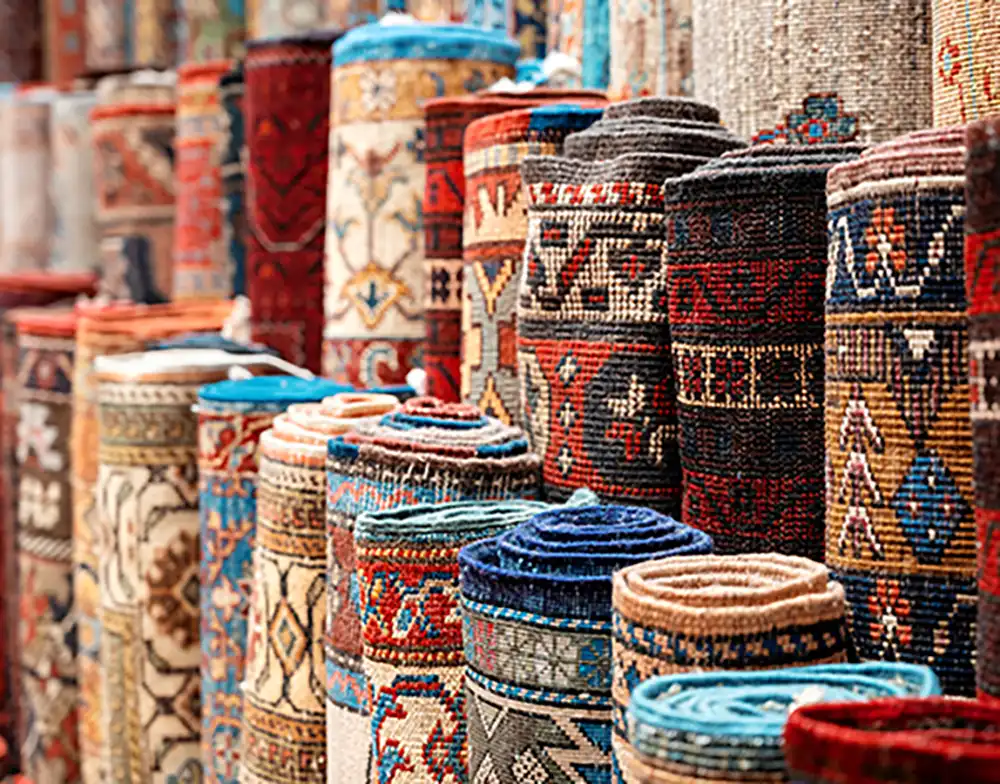
In a market where prices, trends, and financial assets can change quickly, many buyers are becoming interested in tangible objects that offer more than short-term value. Fine art, vintage watches, classic furniture, rare textiles, and handmade carpets are often considered not only for their beauty, but also for their ability to remain desirable over time.
Among these objects, authentic Persian rugs occupy a unique position. A genuine hand-knotted Persian rug is decorative, functional, cultural, and collectible at the same time. It can be used inside a home for decades, passed from one generation to another, and, in the right circumstances, retain or increase its market value.
But are Persian rugs a smart investment, or is this idea exaggerated? The honest answer is that some Persian rugs have strong long-term value, while others should mainly be viewed as beautiful home furnishings. Age alone does not create value, and not every handmade rug will appreciate.
The rugs with the strongest potential usually combine authenticity, respected origin, excellent materials, skilled craftsmanship, good condition, rarity, and continuing buyer demand. This guide explains how those factors work, which Persian rugs may hold their value best, and what buyers in Canada should examine before making a purchase.
Quick answer: A carefully selected Persian rug can be a smart long-term purchase and may preserve or increase its value. However, Persian rugs are not liquid financial assets, appreciation is never guaranteed, and quality, condition, rarity, and purchase price are more important than age alone.
Do Persian Rugs Increase in Value?
Some Persian rugs do increase in value, but there is no automatic rule that applies to every rug. The market treats handmade carpets in a similar way to other collectible objects: buyers evaluate each piece individually.
A rare antique Tabriz rug in good original condition may attract serious collector interest. A finely woven Isfahan or Qom rug made with exceptional materials may also remain highly desirable. On the other hand, a heavily damaged rug, a common commercial design, or a piece with poor-quality restoration may have limited resale potential even when it is old.
Several factors can support the long-term value of a Persian rug:
- It was genuinely hand-knotted in Iran.
- It comes from a respected city, village, tribe, or weaving tradition.
- Its design, colours, and construction show strong artistic quality.
- It uses durable natural materials such as quality wool, silk, or cotton.
- It remains in good structural condition.
- It has unusual colours, a rare design, a known workshop, or documented history.
- Collectors and interior buyers continue to want rugs of its type.
The most realistic approach is to treat a Persian rug as a long-term tangible asset that can also be enjoyed. Unlike a conventional financial instrument, it can bring warmth, colour, comfort, and cultural character into a home while it is being owned.
Investment Rug or Decorative Rug: What Is the Difference?
Every authentic handmade Persian rug has artistic and cultural value, but not every handmade rug is an investment-quality collectible. Some rugs are woven primarily for everyday decorative use, while others attract stronger attention from experienced buyers and collectors.
A decorative rug can still be beautifully made, durable, and worth purchasing. It may transform a room and remain useful for decades. However, its resale price may not rise significantly, especially if many similar examples are available.
A rug with stronger investment potential usually has a more distinctive combination of quality and scarcity. It may be older, finer, signed, unusually coloured, exceptionally well preserved, or connected to a respected workshop or weaving period.
The difference is rarely based on one characteristic. Professional evaluation considers the entire rug rather than relying only on its knot count, city name, or estimated age.
What Makes a Persian Rug a Strong Long-Term Purchase?
1. Authenticity and Handmade Construction
The first question is whether the rug is genuinely handmade. A real Persian rug is woven in Iran using hand-knotting or traditional flat-weaving techniques. Machine-made carpets may copy Persian patterns, but they do not have the same individuality, labour, structure, or collectible market.
When inspecting a rug, look at its back, foundation, knots, edges, and fringe. The fringe of a hand-knotted rug is normally part of the foundation rather than an extra decorative strip sewn onto the finished carpet.
Natural irregularities can also appear in handmade rugs. Slight differences in symmetry, colour, or knot tension are not always defects. They may reflect the human process behind the piece.
For a more detailed explanation, read How to Tell If a Persian Rug Is Handmade .
2. City, Village, or Tribal Origin
Origin can influence both artistic identity and market demand. Persian weaving traditions developed across many cities, villages, and tribal regions, each with recognisable techniques and designs.
Tabriz is associated with a wide range of sophisticated workshop carpets, detailed floral compositions, pictorial designs, and signed examples. Isfahan rugs are often admired for precision, elegant medallions, and fine materials. Kashan is known for classical floral carpets, while Heriz rugs are valued for bold geometry, durability, and powerful colour.
Nain rugs often appeal to buyers who prefer refined detail and balanced palettes. Qom rugs, particularly fine silk examples, can attract collectors seeking delicate workmanship. Bidjar rugs are known for dense construction and exceptional strength.
The city name itself does not guarantee value. A weak-quality rug from a famous origin may be less desirable than an outstanding village or tribal rug with character, rarity, and excellent materials.
3. Age and Historical Scarcity
Older rugs can become more valuable because historical pieces cannot simply be reproduced in their original cultural and production context. A rug woven many decades ago may reflect wool, dyes, design traditions, and workshop practices that are no longer commonly available.
However, age is only valuable when the rug also has quality and desirability. An old rug with major structural damage, excessive alteration, or ordinary craftsmanship may not be a strong investment.
Terms such as contemporary, vintage, semi-antique, and antique are sometimes used differently by sellers and collectors. As a broad guide:
- Contemporary rugs: recently woven pieces.
- Vintage rugs: older rugs that are not yet generally considered antique.
- Semi-antique rugs: older pieces approaching antique age.
- Antique rugs: commonly understood as approximately 100 years old or more.
Because age estimates can be uncertain, buyers should examine construction, materials, dyes, wear, documentation, and expert opinion rather than accepting an age label without evidence.
4. Wool, Silk, Cotton, and Natural Materials
Material quality has a major effect on appearance, durability, and market value. High-quality wool is resilient, comfortable, and capable of developing an attractive surface over time. Fine wool can hold colour beautifully and withstand regular use when the rug is maintained properly.
Silk allows weavers to produce very fine lines, detailed curves, and luminous surfaces. Some rugs are made entirely from silk, while others use silk highlights over a wool pile or cotton foundation.
A silk rug is not automatically more valuable than a wool rug. Material must be considered together with workmanship, design, origin, age, condition, and rarity. A masterfully woven antique wool carpet may be more desirable than an ordinary silk rug.
Buyers comparing materials can also read our guide to Wool vs Silk Persian Rugs .
5. Dyes and Colour Quality
Colour is one of the most important elements in the appeal of a handmade rug. Traditional natural dyes can produce complex tones that change subtly under different light. With age, some naturally dyed rugs develop softness, depth, and tonal variation that collectors find attractive.
One visible form of colour variation is known as abrash. It occurs when different batches of dyed yarn create subtle bands or changes in tone. In a genuine handmade rug, attractive abrash can add individuality rather than reduce quality.
Synthetic dyes are not automatically bad, and many high-quality rugs have been woven with well-produced modern dyes. What matters is whether the colours are stable, balanced, visually harmonious, and appropriate to the rug.
6. Knotting and Overall Craftsmanship
Knot density can help indicate how much detail a rug can hold, but it should never be used as the only measurement of quality. Fine knotting may support complex floral forms, small motifs, and smooth curves, but artistic balance remains equally important.
A skilled evaluator also examines:
- The consistency of the weave.
- The clarity and balance of the design.
- The quality of the wool or silk.
- The strength of the foundation.
- Whether the rug lies flat.
- The finish of the edges and ends.
- The relationship between design complexity and weaving quality.
A rug with very high knot density but poor colours, weak composition, or low-quality materials may be less valuable than a coarser rug with exceptional artistic power.
7. Condition and Restoration
Condition is one of the most important factors affecting resale value. Buyers should examine the entire rug, including the pile, foundation, side edges, ends, fringe, corners, and any restored areas.
Common problems that can reduce value include:
- Holes, tears, or exposed foundation.
- Heavy moth damage.
- Water damage, mildew, or unpleasant odour.
- Missing outer borders.
- Severe fading or colour bleeding.
- Poorly matched replacement pile.
- Large areas of low-quality reconstruction.
- Damaged or unravelled side edges.
Minor age-related wear does not necessarily make an antique rug undesirable. Some collectors accept appropriate wear when the rug remains structurally stable and artistically important. The key is honest disclosure and an understanding of how repairs affect originality.
8. Rarity, Signature, and Provenance
Rarity can come from an unusual design, limited colour palette, special size, respected workshop, master weaver, or important historical period. Signed rugs may also attract attention, but a signature should be evaluated carefully. A woven name or inscription is not automatically proof of a famous maker.
Provenance means the known history of the object. Old invoices, collection records, family history, exhibition information, photographs, or expert reports may help establish where a rug came from and how it was acquired.
Documentation is especially important for valuable antique pieces. Buyers should keep product descriptions, measurements, condition reports, photographs, receipts, and correspondence related to the purchase.
Why Old and Antique Persian Rugs Often Hold More Value
Old and antique Persian rugs can attract stronger collector demand because they combine craftsmanship with scarcity. A newly woven rug may reproduce a traditional design, but it cannot reproduce the original historical circumstances, materials, and weaving culture of an older piece.
Older rugs may also display colours and surface character that developed naturally over many decades. Their appeal can come from softened wool, balanced wear, subtle abrash, unusual motifs, and a sense of individuality that mass-produced décor cannot offer.
Still, the word “antique” should not be treated as a guarantee of quality. Buyers must compare age with condition, artistic merit, rarity, materials, restoration, and current demand.
A well-preserved semi-antique rug can sometimes be a more practical purchase than a severely damaged antique rug. It may provide historical character while remaining structurally suitable for use inside a home.
Explore currently available Old and Antique Persian Rugs , including individually selected pieces with different origins, ages, sizes, and designs.
Which Persian Rugs Hold Their Value Best?
No city or rug type can guarantee future appreciation. However, certain categories have historically maintained strong recognition among collectors, dealers, and interior buyers.
Antique and Signed Tabriz Rugs
Tabriz has produced rugs across many qualities and styles, but fine antique pieces, workshop rugs, pictorial carpets, and documented signed examples can be particularly desirable. Collectors often look for precise drawing, harmonious colours, unusual subjects, and good original condition.
Fine Isfahan Rugs
Isfahan rugs are admired for elegant compositions, refined curves, detailed medallions, and fine construction. Older workshop examples and rugs made with high-quality wool and silk may have strong collector appeal.
Old Kashan Rugs
Kashan rugs are recognised for classical Persian floral designs, central medallions, and rich traditional palettes. Older examples with strong materials, balanced design, and good condition can remain desirable.
Heriz and Serapi-Type Rugs
Heriz rugs are known for geometric strength, angular medallions, durability, and bold colour. Older examples can work in both classic and modern interiors, helping them maintain a broad audience.
Fine Nain and Qom Rugs
Fine Nain rugs may appeal to buyers who prefer controlled detail and elegant colours. Qom rugs, especially highly detailed silk examples, can attract collectors, although material, workmanship, and authenticity must all be carefully evaluated.
Bidjar Rugs
Bidjar rugs are often associated with dense construction and durability. Older examples with strong colours and distinctive designs may attract buyers who value both structural strength and visual character.
| Persian Rug Category | Potential Strength | What Buyers Look For | Main Risks |
|---|---|---|---|
| Antique Persian Rugs | Potentially high | Rarity, age, provenance, original colours, and condition | Damage, excessive restoration, or uncertain age |
| Semi-Antique Rugs | Moderate to high | Character, quality, usable condition, and limited supply | Inaccurate age claims and inconsistent condition |
| Signed Workshop Rugs | Potentially high | Recognised maker, fine workmanship, and documentation | Misread or unauthenticated signatures |
| Fine Contemporary Rugs | Moderate | Excellent materials, design, workshop quality, and condition | Less scarcity and uncertain future demand |
| Commercial Decorative Rugs | Usually lower | Attractive appearance, durability, and fair price | High availability and limited collector demand |
Are Persian Rugs a Smart Investment for Buyers in Canada?
For buyers in Canada, a Persian rug can serve several purposes at once. It can provide warmth and comfort, add character to hardwood flooring, create a focal point in a modern room, and potentially retain part of its value when selected carefully.
Persian rugs can work particularly well in Canadian interiors because many homes combine neutral colours, wood floors, open layouts, and modern furniture. A handmade rug introduces texture and colour without requiring permanent changes to the property.
Wool rugs are often practical for living rooms, dining rooms, bedrooms, and other regularly used spaces. Fine silk or valuable antique rugs may be better placed in formal or lower-traffic areas.
Canadian buyers should approach the purchase as a long-term decision rather than a short-term trade. Reselling a rug may require time, specialist knowledge, professional photography, a dealer, an auction house, or access to the right private buyer.
Before ordering, Canadian customers should review:
- The rug’s exact dimensions in both centimetres and feet.
- Its origin, materials, estimated age, and weaving type.
- Clear photographs of the front, back, pile, edges, and fringe.
- Any wear, fading, repair, or restoration.
- Shipping, packaging, tracking, and insurance information.
- Any applicable duties, taxes, or delivery-related costs.
- The return policy and procedure for reporting transit damage.
For more information about choosing rugs for Canadian homes, visit our dedicated guide to Persian Rugs in Canada .
A Practical Checklist Before Buying a Persian Rug as an Investment
- Confirm authenticity. Make sure the rug is genuinely handmade and Persian rather than machine-made or simply Persian-inspired.
- Identify the origin. Ask where the rug was woven and whether the attribution is certain or approximate.
- Request detailed condition information. Ask about pile wear, repairs, stains, edge damage, fading, moth damage, and missing areas.
- Study the back. The back can reveal knotting, repairs, foundation condition, colour changes, and construction.
- Verify the size. Measure your room carefully and make sure the rug remains practical enough to use or display.
- Consider current demand. A rare rug still needs an interested market when it is eventually sold.
- Compare similar pieces. Compare rugs of similar origin, age, condition, size, and materials rather than comparing unrelated carpets.
- Keep all documents. Save receipts, photographs, descriptions, condition reports, and provenance information.
- Buy from a knowledgeable seller. The description should be clear about what is known and what is estimated.
- Choose a rug you genuinely enjoy. Financial appreciation is uncertain, but daily enjoyment begins immediately.
When purchasing online, use the complete checklist in How to Buy Authentic Persian Rugs Online .
How to Protect the Long-Term Value of a Persian Rug
Even an excellent rug can lose value through neglect. Proper maintenance protects both the structure and appearance of the carpet.
- Use a suitable rug pad to reduce movement and uneven wear.
- Rotate the rug periodically, especially in rooms with direct sunlight or heavy foot traffic.
- Vacuum gently without repeatedly pulling the fringe into the machine.
- Respond to spills quickly, but avoid aggressive household chemicals.
- Use a cleaner experienced with handmade Persian rugs.
- Protect the rug from long-term moisture and damp storage.
- Inspect stored rugs for moth activity.
- Avoid folding a valuable rug tightly for extended periods.
- Keep plant pots and heavy furniture from causing preventable damage.
- Photograph the rug periodically to document its condition.
Restoration should be carried out only when necessary and by someone experienced with handmade rugs. Poor repair can be more damaging to value than honest, visible age-related wear.
Risks and Realistic Expectations
Persian rugs can be rewarding long-term purchases, but buyers should understand the risks before treating them as investments.
Persian Rugs Are Not Liquid Assets
A rug cannot usually be sold instantly at a transparent market price. Finding the right buyer may take weeks, months, or longer. Auction fees, dealer commissions, shipping, cleaning, restoration, and photography may also affect the final amount received.
Retail and Resale Prices Are Different
The price paid at retail includes selection, business costs, photography, presentation, shipping preparation, service, and seller expertise. A private resale price may be lower, particularly when the owner needs to sell quickly.
Market Taste Changes
Interior trends and collector preferences change over time. Certain colours, formats, and designs may become more or less popular. Strong craftsmanship and authenticity can support long-term desirability, but they cannot guarantee a particular future price.
Condition Can Change
Sunlight, moisture, pets, insects, improper cleaning, heavy furniture, and poor storage can reduce value. Owners should consider maintenance part of the investment.
Descriptions Can Be Inaccurate
Age, origin, materials, and signatures are not always easy to identify. Buyers should be cautious about unsupported claims such as “museum quality,” “rare masterpiece,” or “guaranteed antique.”
Important: A Persian rug should not be purchased with the expectation of guaranteed financial returns. It is best viewed as a long-term collectible and functional artwork whose future value depends on the individual rug and the future market.
What Can Auction Records Teach Us?
Exceptional Persian carpets have achieved remarkable prices at major auctions, demonstrating that rare textile art can attract international collectors. However, record-breaking carpets are usually historically important, extremely rare, exceptionally preserved, or connected to significant collections.
These results should not be used to estimate the value of an ordinary household rug. They show what is possible at the highest end of the market, not what every Persian rug will achieve.
For examples of historically important auction sales, read The Most Expensive Rugs Ever Sold at Auction .
When Is a Persian Rug Not a Smart Investment?
A Persian rug may not be a suitable investment purchase when:
- The seller cannot provide clear photographs or basic information.
- The origin or age is presented as certain without supporting evidence.
- The rug has extensive damage that is not reflected in the price.
- The colours have bled or the foundation is seriously weakened.
- The piece has been heavily reconstructed without disclosure.
- The buyer is expecting a quick resale or guaranteed profit.
- The purchase price is based only on a city name or claimed knot count.
- The buyer does not personally like the design enough to live with it.
A rug that offers little investment potential may still be a wonderful decorative purchase. The important point is to understand what you are buying and to pay a price that matches the rug’s real quality and condition.
Final Thoughts: Are Persian Rugs a Smart Investment?
A Persian rug can be a smart long-term purchase when it combines authenticity, craftsmanship, quality materials, desirable origin, good condition, and an appropriate price. Old and antique rugs may offer additional scarcity and historical character, but age alone is never enough.
The strongest Persian rug purchases offer two forms of return. The first is the potential preservation of financial value. The second is the daily value of living with an authentic work of handmade art.
Unlike an object kept permanently inside a safe, a Persian rug can become part of family life. It can define a living room, add warmth to a Canadian home, improve with careful use, and eventually pass to another generation.
Buy slowly, ask detailed questions, compare condition and quality, keep documentation, and choose a rug that you would still be happy to own even if its market price never changed.
Explore Authentic Handmade Persian Rugs
Discover individually selected Persian rugs, antique carpets, tribal pieces, kilims, and hand-knotted rugs in different sizes and styles.
Frequently Asked Questions
Do all Persian rugs increase in value?
No. Future value depends on authenticity, origin, materials, craftsmanship, condition, rarity, purchase price, and market demand. Some rugs appreciate, some retain part of their value, and others are mainly decorative purchases.
Are antique Persian rugs always more valuable?
No. An antique rug may have limited value if it is badly damaged, heavily altered, poorly woven, or commonly available. A well-preserved semi-antique or contemporary rug of exceptional quality may be more desirable.
Which Persian rugs are best for long-term value?
Fine examples from traditions such as Tabriz, Isfahan, Kashan, Heriz, Bidjar, Nain, and Qom may attract strong demand. However, each rug must be judged individually based on quality, condition, materials, design, rarity, and authenticity.
Is a high knot count enough to make a rug valuable?
No. Knot density can support fine detail, but it does not replace good wool, stable dyes, balanced design, respected craftsmanship, condition, and rarity. Some highly desirable tribal and village rugs have coarser knotting but exceptional artistic character.
Can I use an investment-quality Persian rug in my home?
Yes, depending on its materials and condition. Durable wool rugs can often handle appropriate daily use. Fragile silk carpets, rare antique rugs, and heavily worn pieces may be better suited to formal or low-traffic spaces.
Are Persian rugs a good investment for buyers in Canada?
A carefully selected Persian rug can be a meaningful long-term tangible purchase for a Canadian buyer. It can add warmth and character to a home and may retain value, but it should not be treated as a guaranteed or easily traded financial investment.
How can I find out what my old Persian rug is worth?
You will need to examine its authenticity, origin, age, materials, knotting, dyes, size, condition, repairs, rarity, and current comparable sales. Read our detailed guide on how to value an old Persian rug .
Should I clean an antique rug before selling or appraising it?
Do not use household detergents or ordinary carpet-cleaning machines. Ask an experienced handmade-rug specialist whether professional cleaning is appropriate. Improper washing can cause colour bleeding, shrinkage, texture damage, or weakened foundations.
Is buying a Persian rug online safe?
It can be safe when the seller provides accurate measurements, clear photographs, material and origin information, a condition description, secure payment, shipping information, and a transparent return policy. Request additional photos or videos whenever important details are unclear.