WORLDWIDE SHIPPING // WEEKLY OFFERS ON INSTAGRAM



MEDALLIION DESIGN IN PERSIAN RUGS
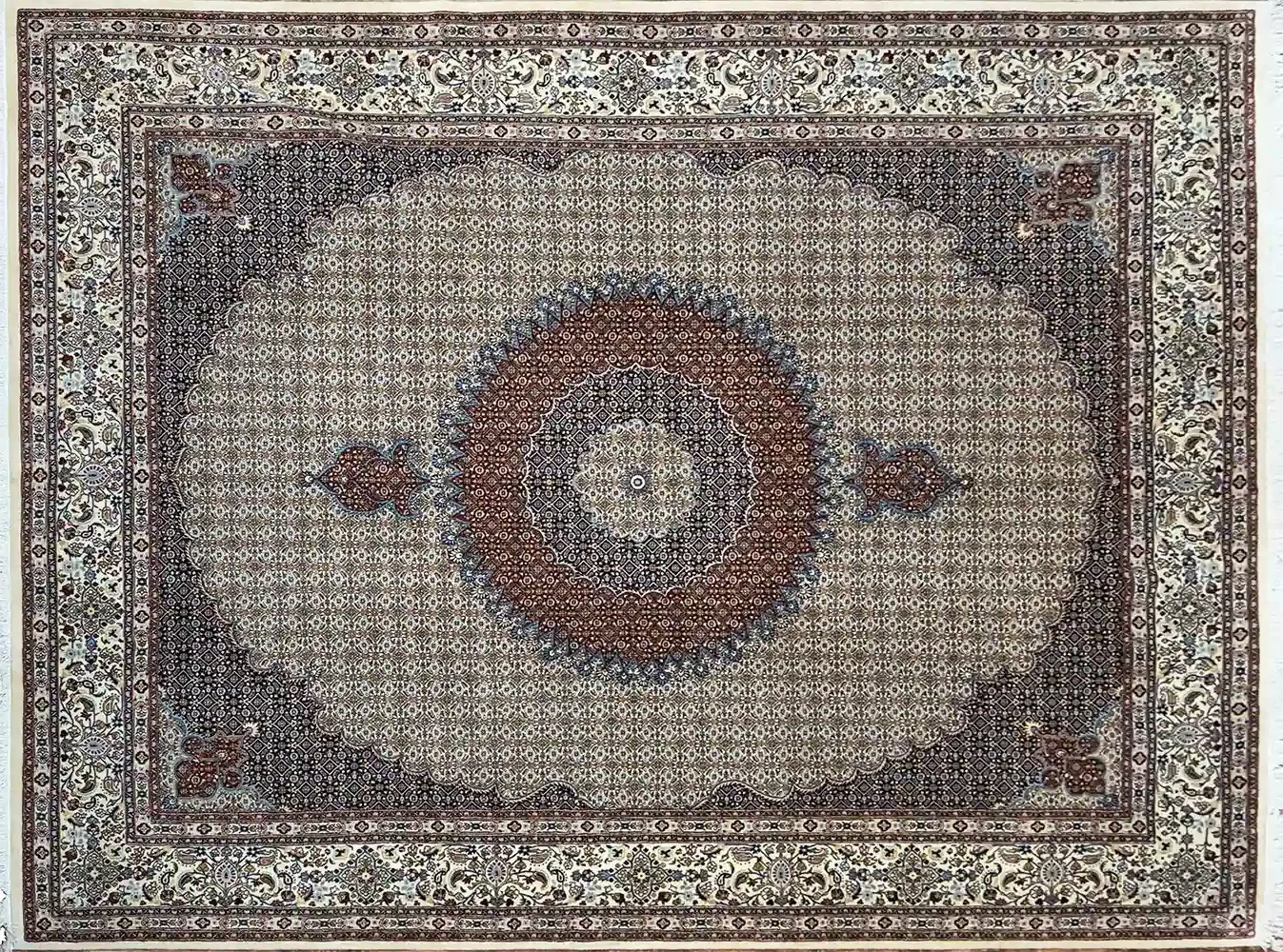
Among the many iconic patterns found in handwoven Persian rugs, the medallion design stands out as one of the most recognizable and historically significant motifs. Often seen as the centerpiece of a rug’s layout, the medallion is a large ornamental shape placed at the center of the carpet, around which the rest of the design elements are carefully arranged in harmony. This timeless pattern has been used in Persian rug weaving for centuries and continues to be one of the most admired features in traditional and classical rug compositions.
The medallion design is believed to be inspired by ancient architectural elements such as domes, ceiling decorations, and ornamental motifs found in Persian palaces and mosques. In many ways, the layout of a medallion rug reflects the symmetrical beauty of Persian art and design, translating the elegance of historical interiors into textile form. When you look at a medallion rug, you are essentially looking at a woven interpretation of classical Persian aesthetics.
Typically, medallion rugs feature a central shape often circular, oval, diamond-shaped, or star-like surrounded by intricate floral patterns, vines, arabesques, and corner spandrels that mirror the central motif. These corner elements are designed to frame the medallion and create visual balance across the rug’s surface. This symmetry is one of the defining characteristics of traditional Persian rug artistry and demonstrates the remarkable precision of skilled weavers.
Different weaving regions in Iran have their own interpretation of the medallion design. For example, rugs from cities like Tabriz, Kashan, Isfahan, and Nain each incorporate medallions in unique ways, reflecting regional aesthetics and weaving traditions. Some medallions are bold and highly detailed, while others are more subtle and minimal, depending on the artistic vision behind the rug.
Color also plays an important role in highlighting the medallion. In many Persian rugs, contrasting tones are used between the background field and the central motif to ensure that the medallion stands out as the focal point. This visual emphasis draws the eye inward, making the rug feel structured, elegant, and balanced. Whether the background is light or dark, the medallion becomes the anchor that ties the entire design together.
Beyond its visual appeal, the medallion layout also carries symbolic meaning. In some interpretations, the central motif represents unity, eternity, or a sense of harmony within the universe. The surrounding patterns may symbolize nature, growth, or continuity, turning the rug into more than just a decorative piece it becomes a reflection of cultural identity and artistic heritage.
Today, medallion design rugs remain among the most popular choices for both traditional and modern interiors. Their structured layout allows them to fit seamlessly into formal living spaces, dining rooms, or statement areas where a sense of sophistication is desired. Despite evolving trends in interior design, the classic medallion continues to maintain its status as a hallmark of Persian rug craftsmanship.
In essence, the medallion design is not just a pattern it is a representation of history, balance, and artistry woven into every knot. Its enduring appeal lies in its ability to combine symmetry with storytelling, tradition with beauty, and craftsmanship with timeless design.
How a Medallion Rug Changes the Feel of Your Space
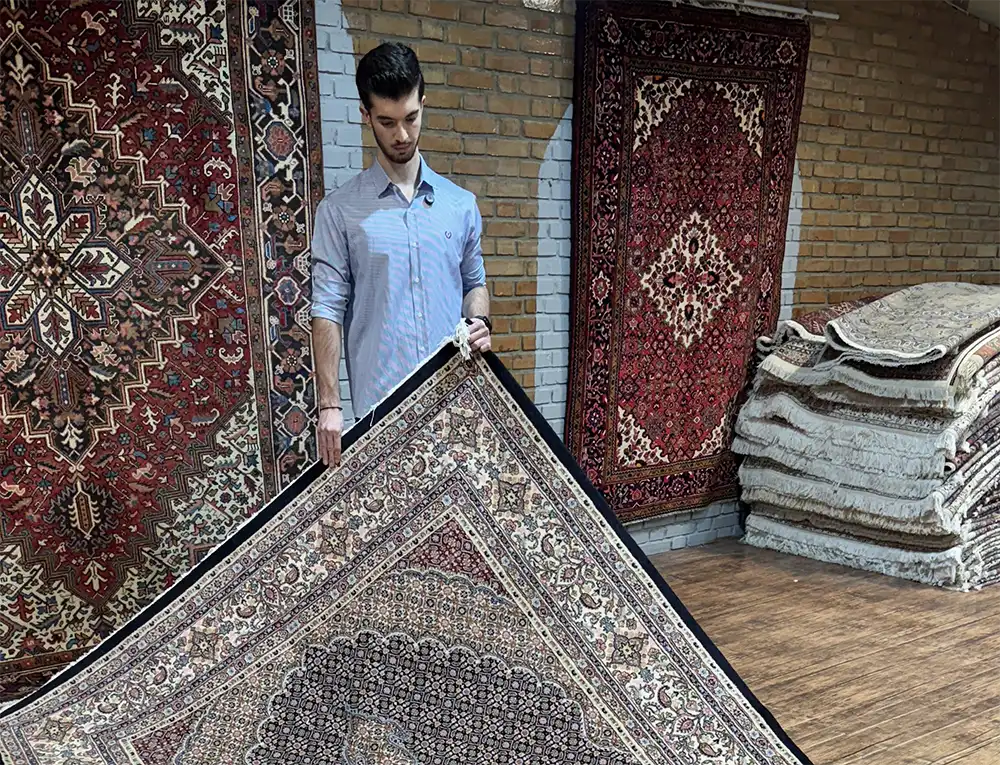
The medallion design in Persian rugs is not just a traditional artistic element it plays a powerful role in shaping the overall atmosphere of an interior space. One of the most important qualities of a medallion rug is its ability to create a visual focal point within a room. Much like a chandelier on the ceiling or a statement piece of artwork on the wall, the central medallion naturally draws the eye toward the middle of the rug, helping to anchor the furniture layout around it.
In open or larger living areas, a rug with a medallion design can define the seating arrangement and bring balance to the space. By placing your coffee table or main furniture pieces around the medallion, you create a sense of symmetry and intentional design that makes the room feel more organized and harmonious. This is especially useful in minimalist interiors where architectural features may be limited and decorative elements need to take on a stronger visual role.
Another key advantage of medallion patterns is the sense of structure they add to your décor. While many repeating patterns offer texture, the medallion layout introduces hierarchy and depth. The layered borders that typically surround the central motif guide the viewer’s gaze inward, creating a dynamic yet controlled visual flow throughout the room. This helps prevent large spaces from feeling empty or disconnected.
Medallion rugs are also highly effective in formal settings such as dining rooms or reception areas. Their centralized composition adds a sense of elegance and tradition, making the space feel more refined without overwhelming it. Even in contemporary homes, combining modern furniture with a classic medallion rug can create a sophisticated contrast that enhances both elements.
In essence, the medallion design transforms a Persian rug from a simple floor covering into a foundational design pieceone that not only complements your furniture but also elevates the overall spatial experience of your interior.