

COMPLETE PERSIAN RUG STYLES & TYPES
Today, Persian rugs continue to define luxury interiors around the world. Interior designers, collectors,…
Article Guide
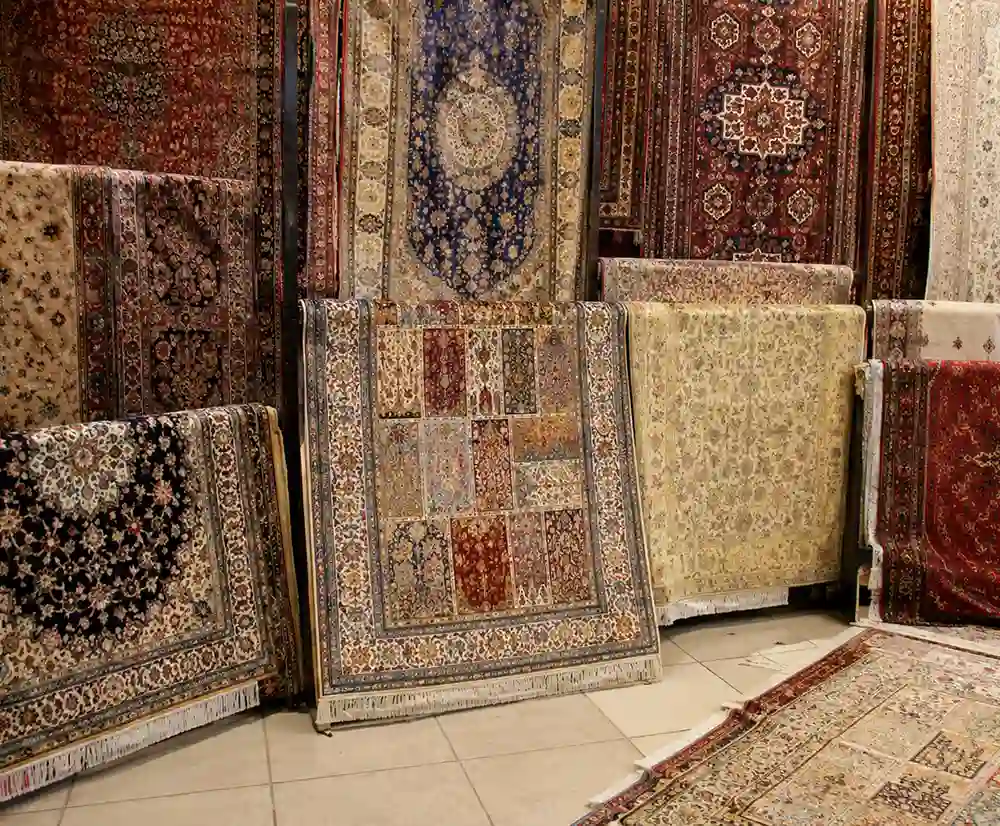
HANDMADE PERSIAN RUGS COLLECTIONS
Persian rugs are more than decorative floor coverings. They are woven pieces of history, culture, craftsmanship, and artistic identity that have evolved across centuries. From the intricate floral elegance of Kashan rugs to the geometric tribal energy of Bakhtiari and Qashqai designs, every Persian rug tells a story through color, symbolism, weaving technique, and regional tradition.
Today, Persian rugs continue to define luxury interiors around the world. Interior designers, collectors, homeowners, and art enthusiasts value them not only for their beauty, but also for their durability, authenticity, and timeless appeal.
But with so many Persian rug styles and types available, choosing the right one can feel overwhelming.
What is the difference between Tabriz and Isfahan rugs? Which Persian rug styles work best in modern homes? Are tribal Persian rugs better than floral designs? What materials should you choose? And how can you identify an authentic handmade Persian rug?
In this complete guide, we’ll explore the most important Persian rug styles, weaving regions, patterns, materials, and design characteristics to help you better understand the world of authentic Persian carpets.
WHAT ARE PERSIAN RUGS?
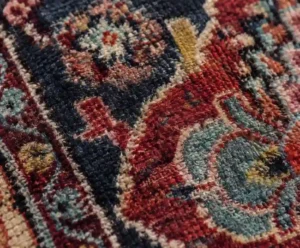
Persian rugs are handmade carpets traditionally woven in Iran using techniques that have been passed down through generations. Unlike machine-made rugs, authentic Persian rugs are hand-knotted by skilled artisans using natural materials such as wool and silk.
Each rug reflects the artistic identity of its region of origin. Cities and villages across Iran developed distinct weaving traditions over hundreds of years, resulting in unique patterns, color palettes, motifs, and knotting techniques.
Persian rugs are known for:
- Hand-knotted craftsmanship
- Exceptional durability
- Natural dyes and fibers
- Intricate artistic patterns
- Cultural symbolism
- Long-term value and collectibility
Today, Persian rugs are widely considered among the finest handmade rugs in the world.
THE MAIN PERSIAN RUG STYLES
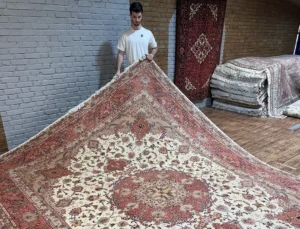
Persian rugs are generally categorized based on:
- Region or city of origin
- Design style
- Materials used
- Weaving technique
- Tribal or workshop production
Below are the most important Persian rug styles and types every buyer should know.
Kashan Rugs
Kashan rugs are among the most recognizable Persian rug styles. Originating from the city of Kashan in central Iran, these rugs are known for their rich colors, symmetrical floral designs, and classic Persian elegance.
Characteristics of Kashan Rugs
- Deep red and navy color palettes
- Curved floral motifs
- Central medallions
- Fine wool craftsmanship
- Traditional Persian aesthetics
Kashan rugs are often considered the definition of the classic Persian rug style. Their intricate floral patterns and warm tones make them timeless additions to both traditional and contemporary interiors.
Why Kashan Rugs Remain Popular
Many collectors and homeowners love Kashan rugs because they combine:
- Durability
- Sophisticated design
- Strong artistic identity
- Excellent long-term value
Their timeless appearance makes them especially suitable for family homes and elegant living spaces.
Tabriz Rugs
Tabriz rugs are among the most famous and sophisticated Persian rugs ever produced. Woven in the historic city of Tabriz in northwestern Iran, these rugs are celebrated for their exceptional craftsmanship, detailed floral motifs, and fine knot density.
Characteristics of Tabriz Rugs
- Highly detailed patterns
- Floral medallion designs
- Fine craftsmanship
- High knot density
- Balanced color palettes
- Silk and wool combinations
Tabriz rugs often feature central medallions surrounded by elaborate floral fields and intricate borders. Some designs also include pictorial scenes, garden motifs, or architectural elements.
Best Interior Styles for Tabriz Rugs
Tabriz rugs work beautifully in:
- Luxury interiors
- Traditional homes
- Formal living rooms
- Elegant dining spaces
- Transitional interiors
Because of their refined patterns and balanced colors, Tabriz rugs can also complement modern interiors when paired with neutral furniture.
Isfahan Rugs
Isfahan rugs represent some of the highest levels of Persian weaving artistry. These rugs are woven in the historic city of Isfahan and are famous for their precision, silk highlights, and artistic sophistication.
Characteristics of Isfahan Rugs
- Extremely fine knotting
- Silk foundations or silk highlights
- Delicate floral motifs
- Elegant medallion compositions
- Rich yet refined color palettes
Isfahan rugs often display remarkable detail that resembles miniature paintings. Their craftsmanship requires immense skill and patience.
Are Isfahan Rugs Valuable?
Yes. Authentic Isfahan rugs are often considered collector-level pieces due to:
- Fine craftsmanship
- Artistic complexity
- Limited production
- Premium materials
Many luxury homeowners and collectors view Isfahan rugs as investment-quality carpets
Qom Rugs
Qom rugs are known for their luxurious silk construction and highly detailed designs. Although the city of Qom does not have an ancient weaving tradition like Tabriz or Kashan, it quickly became one of Iran’s leading centers for fine silk rugs during the twentieth century.
Characteristics of Qom Rugs
- Silk construction
- Exceptional detail
- Fine knot density
- Bright decorative colors
- Floral and pictorial themes
Qom rugs often feature intricate curvilinear designs and shimmering silk surfaces that create a luxurious visual effect.
Best Uses for Qom Rugs
Because of their delicate silk fibers, Qom rugs are best suited for:
- Formal spaces
- Low-traffic rooms
- Decorative display areas
- Wall hanging collections
They are often purchased as artistic statement pieces rather than everyday utility rugs.
Nain Rugs
Nain rugs are admired for their refined elegance and subtle color palettes. These rugs typically feature ivory, blue, and soft gray tones combined with intricate floral patterns.
Characteristics of Nain Rugs
- Soft and elegant colors
- Fine floral patterns
- Silk highlights
- Detailed medallions
- Delicate craftsmanship
Nain rugs are ideal for homeowners seeking understated luxury rather than bold dramatic colors.
Why Designers Love Nain Rugs
Interior designers often use Nain rugs because they:
- Brighten rooms visually
- Pair well with neutral interiors
- Create calm and sophisticated environments
- Complement modern luxury aesthetics
Heriz Rugs
Heriz rugs are powerful, bold, and highly durable Persian carpets woven in northwestern Iran. Unlike the floral delicacy of Isfahan or Kashan rugs, Heriz rugs are known for their geometric designs and strong tribal character.
Characteristics of Heriz Rugs
- Large geometric medallions
- Angular patterns
- Bold colors
- Thick durable wool
- Rustic artistic identity
Heriz rugs are incredibly durable and can last for generations even in high-traffic areas.
Best Spaces for Heriz Rugs
These rugs work especially well in:
- Large living rooms
- Rustic interiors
- Modern farmhouse spaces
- Eclectic interiors
- High-traffic family homes
Their bold patterns make them visually striking focal points.
Bakhtiari Rugs
Bakhtiari rugs are tribal Persian rugs woven by the Bakhtiari tribes of western Iran. These rugs are famous for their garden-inspired patterns and highly durable construction.
Characteristics of Bakhtiari Rugs
- Garden panel designs
- Strong tribal motifs
- Rich earthy colors
- Durable wool foundations
- Rustic artistic charm
Many Bakhtiari rugs feature compartmentalized floral designs resembling garden layouts or orchards.
Why Bakhtiari Rugs Are Practical
These rugs are especially popular because they combine:
- Authentic tribal artistry
- Excellent durability
- Warm decorative character
- Strong wool construction
They are ideal for active households.
Gabbeh Rugs
Gabbeh rugs are minimalist tribal Persian rugs traditionally woven by nomadic tribes. Unlike highly detailed city rugs, Gabbeh rugs feature simpler patterns and bold artistic expression.
Characteristics of Gabbeh Rugs
- Thick soft wool
- Minimalist designs
- Bold color blocks
- Abstract motifs
- Modern artistic appeal
Gabbeh rugs have become extremely popular in modern interior design because of their simplicity and warmth.
Why Modern Homes Love Gabbeh Rugs
Gabbeh rugs pair beautifully with:
- Scandinavian interiors
- Minimalist homes
- Contemporary spaces
- Neutral furniture
- Organic modern design styles
Their relaxed appearance creates warmth without visual clutter.
TRIBAL PERSIAN RUGS VS CITY RUGS
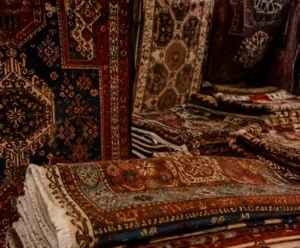
One of the biggest distinctions in Persian rug styles is the difference between tribal rugs and city rugs.
Tribal Persian Rugs
Tribal rugs are typically:
- More geometric
- More spontaneous
- Rich in symbolism
- Woven by nomadic tribes
- Less symmetrical
Examples include:
- Qashqai rugs
- Bakhtiari rugs
- Gabbeh rugs
City Persian Rugs
City rugs are usually:
- More refined
- Highly symmetrical
- Intricately detailed
- Workshop-produced
- Technically precise
Examples include:
- Tabriz rugs
- Isfahan rugs
- Kashan rugs
- Nain rugs
Neither category is objectively better. The right choice depends on your interior style and personal preference.
FLORAL PERSIAN RUGS
Floral Persian rugs are among the most recognizable styles in the world. These rugs often feature elaborate botanical motifs inspired by Persian gardens and classical art.
Common Features of Floral Persian Rugs
- Curving vines
- Lotus flowers
- Palmettes
- Garden motifs
- Symmetrical medallions
Floral rugs are commonly found in:
- Kashan rugs
- Isfahan rugs
- Nain rugs
- Qom rugs
These designs create elegance, sophistication, and timeless beauty.
GEOMETRIC PERSIAN RUGS
Geometric Persian rugs feature angular lines, bold medallions, and tribal-inspired motifs.
Characteristics of Geometric Persian Rugs
- Angular shapes
- Tribal symbolism
- Strong visual contrast
- Bold medallions
- Rustic artistic energy
Popular examples include:
- Heriz rugs
- Qashqai rugs
- Tribal village rugs
These rugs often work exceptionally well in contemporary interiors because of their bold visual structure.
VINTAGE PERSIAN RUGS
Vintage Persian rugs are older handmade rugs that have developed character and patina over time. Many homeowners and designers love vintage rugs because they combine history, authenticity, and timeless style.
Why Vintage Persian Rug styles Are Popular
- Unique aging and texture
- Soft muted colors
- Handmade authenticity
- Sustainable decorating choice
- Timeless artistic appeal
Vintage Persian rugs are especially popular in:
- Modern interiors
- Bohemian homes
- Transitional spaces
- Eclectic design projects
Their aged appearance often adds warmth and depth to contemporary environments.
ANTIQUE PERSIAN RUGS
Antique Persian rugs are typically rugs that are over 100 years old. These carpets are often highly collectible and may possess historical or artistic significance.
What Makes Antique Persian Rugs Valuable?
Several factors influence value:
- Age
- Condition
- Rarity
- Design complexity
- Knot density
- Provenance
- Regional origin
Many antique Persian rugs are considered museum-quality works of art.
MODERN PERSIAN RUGS
Modern Persian rugs combine traditional craftsmanship with contemporary aesthetics. These rugs often reinterpret classical Persian motifs using simplified patterns, softer colors, or minimalist compositions.
Characteristics of Modern Persian Rug styles
- Neutral palettes
- Distressed finishes
- Simplified floral patterns
- Contemporary color schemes
- Traditional hand-knotting techniques
Modern Persian rugs appeal to homeowners who appreciate traditional craftsmanship but prefer cleaner modern interiors.
SILK PERSIAN RUGS VS WOOL PERSIAN RUGS
Understanding materials is essential when choosing a Persian rug.
Silk Persian Rugs
Silk rugs are known for:
- Luxurious shine
- Fine detail
- Soft texture
- High knot density
- Decorative elegance
However, silk rugs are generally more delicate and expensive.
Wool Persian Rugs
Wool rugs offer:
- Exceptional durability
- Soft warmth
- Practical everyday use
- Resistance to wear
- Easier maintenance
High-quality wool Persian rugs can last for generations.
Which Material Is Better?
It depends on your needs.
Choose silk rugs if you want:
- Luxury
- Fine detail
- Decorative sophistication
Choose wool rugs if you want:
- Durability
- Everyday practicality
- Family-friendly performance
Many premium Persian rugs combine both wool and silk.
HAND KNOTTED PERSIAN RUGS
Authentic Persian rugs are traditionally hand-knotted rather than machine-made.
What Does Hand-Knotted Mean?
Every knot is individually tied by hand onto the rug’s foundation. This process can take months or even years depending on the rug’s size and complexity.
Why Hand-Knotted Rugs Are Superior
Hand-knotted Persian rugs offer:
- Greater durability
- Artistic individuality
- Long lifespan
- Higher value retention
- Authentic craftsmanship
Machine-made rugs cannot replicate the depth, texture, and uniqueness of true handmade Persian carpets.
HOW TO CHOOSE THE RIGHT PERSIAN RUG?
Choosing the right Persian rug depends on several important factors.
how to choose the right persian rug
Consider Your Interior Style
Traditional Interiors
Best choices: Kashan rugs | Isfahan rugs | Tabriz rugs
Modern Interiors
Best choices: Gabbeh rugs | Vintage Persian rugs | Distressed Persian rugs | Geometric tribal rugs
Eclectic Interiors
Best choices: Qashqai | rugs Heriz rugs | Bakhtiari rugs
CHOOSE THE RIGHT COLOR PALETTE
Persian rugs can dramatically influence the mood of a room.
Warm Color Rugs
Colors like red, rust, and gold create:
- Warmth
- Richness
- Traditional elegance
Cool Color Rugs
Blues, grays, and ivories create:
- Calm environments
- Modern sophistication
- Visual openness
Always consider your furniture, lighting, and wall colors before selecting a rug.
UNDERSTANDING PERSIAN RUG PATTERNS
Persian rug patterns are filled with symbolism and artistic meaning.
Common Persian Rug Motifs
Medallions
Represent balance and harmony.
Floral Motifs
Inspired by Persian gardens and paradise symbolism.
Tree of Life Designs
Represent spiritual growth and eternity.
Animal Motifs
Often symbolize strength, protection, or prosperity.
Geometric Tribal Symbols
Reflect nomadic traditions and cultural identity.
Understanding these motifs adds deeper appreciation to Persian rug artistry.
HOW TO IDENTIFY AUTHENTIC PERSIAN RUGS
With so many reproductions on the market, learning how to identify authentic Persian rugs is extremely important.
is your rug actually handmade?
Check the Back of the Rug
In authentic handmade rugs, the pattern should be visible on the back with clear knot definition.
Look for Slight Irregularities
Handmade rugs are never perfectly symmetrical. Minor irregularities are signs of authenticity.
Examine the Fringe
In genuine Persian rugs, the fringe is part of the rug’s foundation rather than sewn on afterward.
Feel the Materials
Authentic Persian rugs use natural wool or silk rather than synthetic fibers.
Ask About Origin
Reputable sellers should provide information about:
- Region of origin
- Materials
- Knotting technique
- Age and craftsmanship
WHY PERSIAN RUGS ARE WORTH THE INVESTMENT
Persian rugs are not only decorative pieces. They are long-lasting handmade artworks that often improve with age.
Benefits of Investing in Persian Rugs
- Exceptional durability
- Timeless style
- Handmade craftsmanship
- Cultural significance
- Potential collectible value
Many authentic Persian rugs remain beautiful for generations when properly maintained.
Unlike mass-produced rugs that quickly deteriorate, handmade Persian rugs often become softer and more character-rich over time.
CARING FOR PERSIAN RUGS
Proper maintenance helps Persian rugs remain beautiful for decades.
Basic Persian Rug Care Tips
- Rotate rugs regularly
- Vacuum gently without aggressive brushes
- Avoid prolonged direct sunlight
- Clean spills immediately
- Use rug pads
- Professionally clean valuable rugs when needed
Handmade Persian rugs are durable, but proper care preserves their beauty and value.