WORLDWIDE SHIPPING // WEEKLY OFFERS ON INSTAGRAM



HOME / BLOG
THE WORLD MOST VALUABLE PERSIAN HANDMADE RUGS
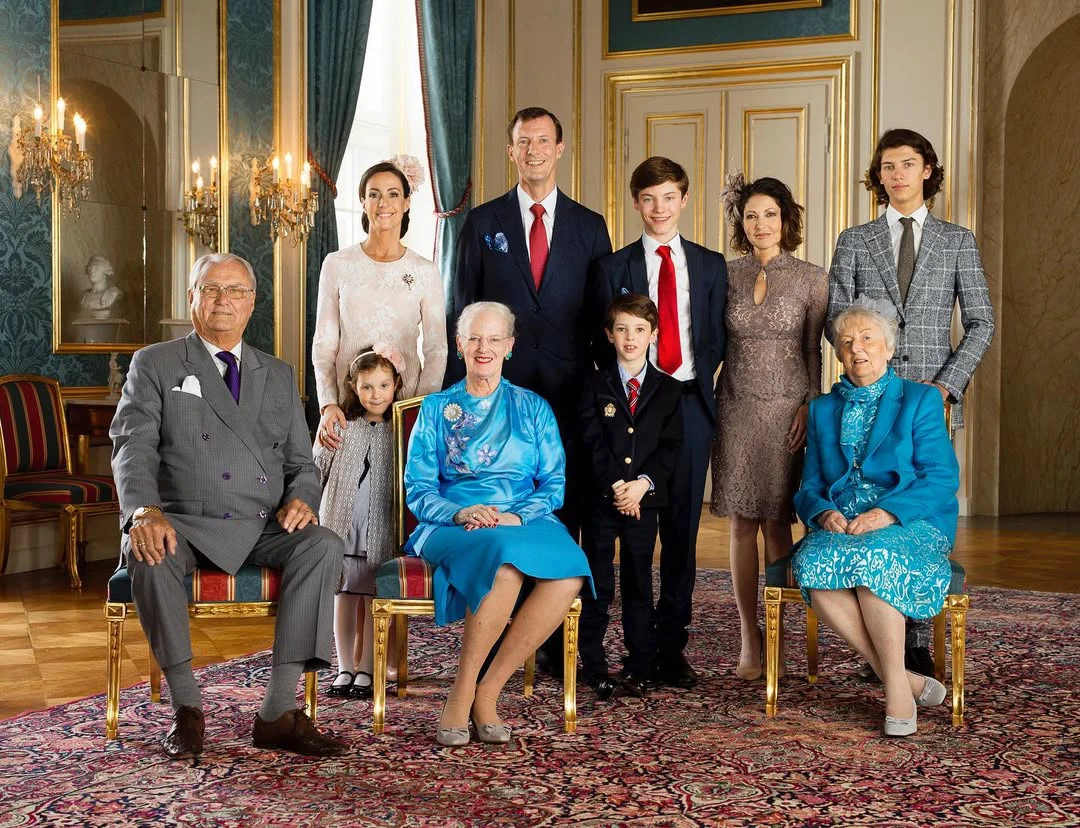
We all know that one of the most luxurious and defining elements in an authentic home interior is an Iranian handwoven rug. For centuries, Persian rugs have represented the highest level of craftsmanship, artistry, and cultural depth in the world of handmade textiles. Compared to other handwoven rugs such as Indian, Scandinavian, or Chinese rugs, Iranian rugs have consistently held a superior position — not only because of their beauty, but also due to their technical excellence, quality of materials, and rich historical background
This distinction is clearly visible in some of the most prestigious spaces around the world. From grand royal palaces and historic mansions to the private homes of wealthy collectors, Iranian handwoven rugs have always been a symbol of status, refinement, and timeless taste. These rugs are not chosen by chance; they are selected because they embody heritage, authenticity, and lasting value
A Persian handwoven rug is far more than a decorative object. It is a living piece of art, created through months or even years of meticulous handwork. Each rug reflects the culture of its region, the skill of its weaver, and centuries of tradition passed down through generations. The use of natural materials, vegetal dyes, and sophisticated designs gives Iranian rugs a depth and character that few other handmade rugs can achieve
However, not all Iranian handwoven rugs hold the same level of value. Some stand out for their rarity, others for their craftsmanship, historical significance, or investment potential. This raises an important question: which Iranian handwoven rugs are truly the most valuable, and what makes them stand apart from the rest?
What Makes an Iranian Handwoven Rug Valuable?
The value of an Iranian handwoven rug is determined by a combination of artistic, technical, and historical factors. Unlike mass-produced rugs, each handmade Persian rug is unique, and its worth goes far beyond simple decoration
Understanding these key elements helps explain why some rugs are considered true masterpieces while others are more modest in value
One of the most important factors is material quality. Rugs woven with high-grade wool, natural silk, or a silk foundation are generally more valuable. Fine wool that is soft, resilient, and well-dyed enhances both the durability and appearance of the rug. The use of natural, vegetal dyes further increases value, as these colors age gracefully and develop depth and character over time
Craftsmanship and knot density also play a major role. A higher knot count often allows for more detailed and refined designs, especially in city rugs such as Tabriz, Kashan, and Nain. Precise, consistent knotting reflects the skill and experience of the weaver and contributes to the rug’s longevity
Another key factor is design and regional origin. Certain cities and weaving regions have established global reputations over centuries. Classic patterns, rare designs, and well-balanced compositions rooted in authentic regional traditions significantly increase a rug’s desirability. Rugs that reflect a strong cultural identity or follow historic patterns are especially valued by collectors
Age and condition are equally important. Antique and semi-antique rugs tend to be more valuable, particularly when they are well preserved and retain their original colors and structure. Natural aging, known as patina, can enhance a rug’s beauty, while excessive damage or heavy restoration can reduce its worth
Finally, rarity and signature can greatly elevate value. Signed rugs, exceptional color choices, or uncommon materials make a piece more collectible. When all these elements come together, an Iranian handwoven rug becomes not just a furnishing, but a lasting work of art and a meaningful investment
Tabriz Rugs: The Peak of Refinement and Diversity

The value of an Iranian handwoven rug is determined by a combination of artistic, technical, and historical factors. Unlike mass-produced rugs, each handmade Persian rug is unique, and its worth goes far beyond simple decoration
Understanding these key elements helps explain why some rugs are considered true masterpieces while others are more modest in value
One of the most important factors is material quality. Rugs woven with high-grade wool, natural silk, or a silk foundation are generally more valuable. Fine wool that is soft, resilient, and well-dyed enhances both the durability and appearance of the rug. The use of natural, vegetal dyes further increases value, as these colors age gracefully and develop depth and character over time
Craftsmanship and knot density also play a major role. A higher knot count often allows for more detailed and refined designs, especially in city rugs such as Tabriz, Kashan, and Nain. Precise, consistent knotting reflects the skill and experience of the weaver and contributes to the rug’s longevity
Another key factor is design and regional origin. Certain cities and weaving regions have established global reputations over centuries. Classic patterns, rare designs, and well-balanced compositions rooted in authentic regional traditions significantly increase a rug’s desirability. Rugs that reflect a strong cultural identity or follow historic patterns are especially valued by collectors
Age and condition are equally important. Antique and semi-antique rugs tend to be more valuable, particularly when they are well preserved and retain their original colors and structure. Natural aging, known as patina, can enhance a rug’s beauty, while excessive damage or heavy restoration can reduce its worth
Finally, rarity and signature can greatly elevate value. Signed rugs, exceptional color choices, or uncommon materials make a piece more collectible. When all these elements come together, an Iranian handwoven rug becomes not just a furnishing, but a lasting work of art and a meaningful investment
Kashan Rugs: Classic Elegance and Timeless Prestige
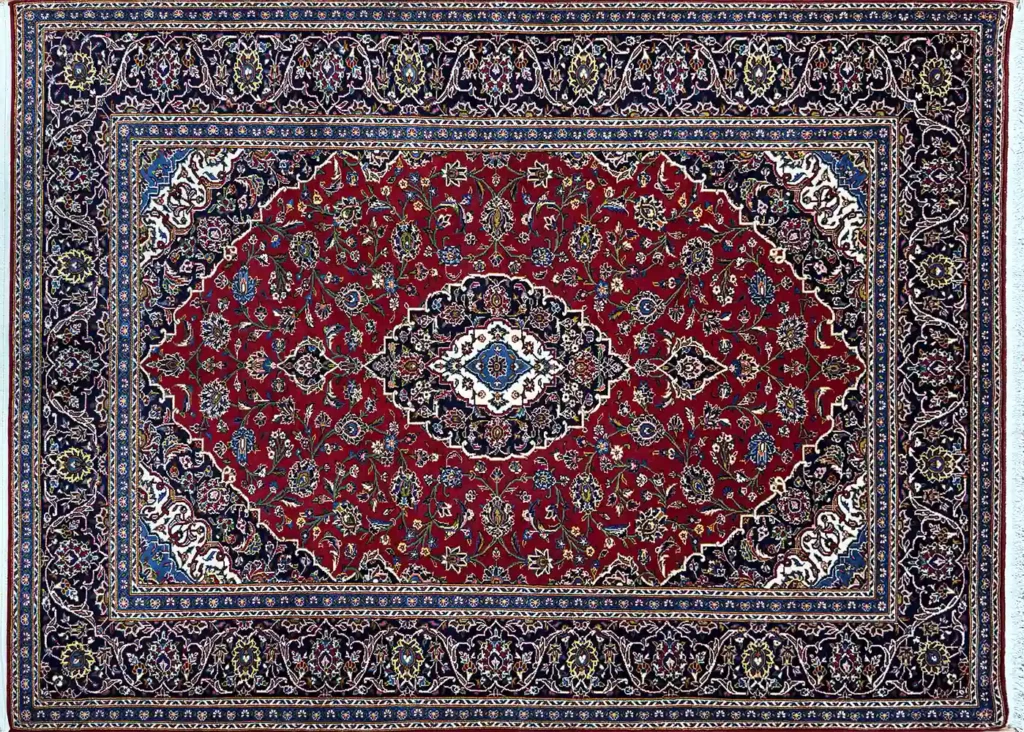
Kashan rugs are among the most celebrated and historically significant Iranian handwoven rugs. Renowned for their refined elegance and perfectly balanced compositions, these rugs represent the classical heart of Persian rug weaving. Kashan designs typically feature a central medallion surrounded by harmonious floral motifs and carefully proportioned borders, creating a sense of order, symmetry, and sophistication
One of the defining qualities of Kashan rugs is the exceptional craftsmanship behind them. Traditionally woven with high-quality wool on a strong cotton foundation, Kashan rugs are admired for their durability as well as their refined appearance. The wool used is known for its softness and ability to absorb natural dyes, resulting in rich, deep colors such as lacquer red, navy blue, and ivory
Many older and semi-antique Kashan rugs are especially valuable, particularly those made with vegetal dyes or bearing the signature of a master weaver. With their timeless designs and enduring quality, Kashan rugs remain a symbol of prestige and classic Persian artistry
Heriz Rugs: Strength, Geometry, and Lasting Value
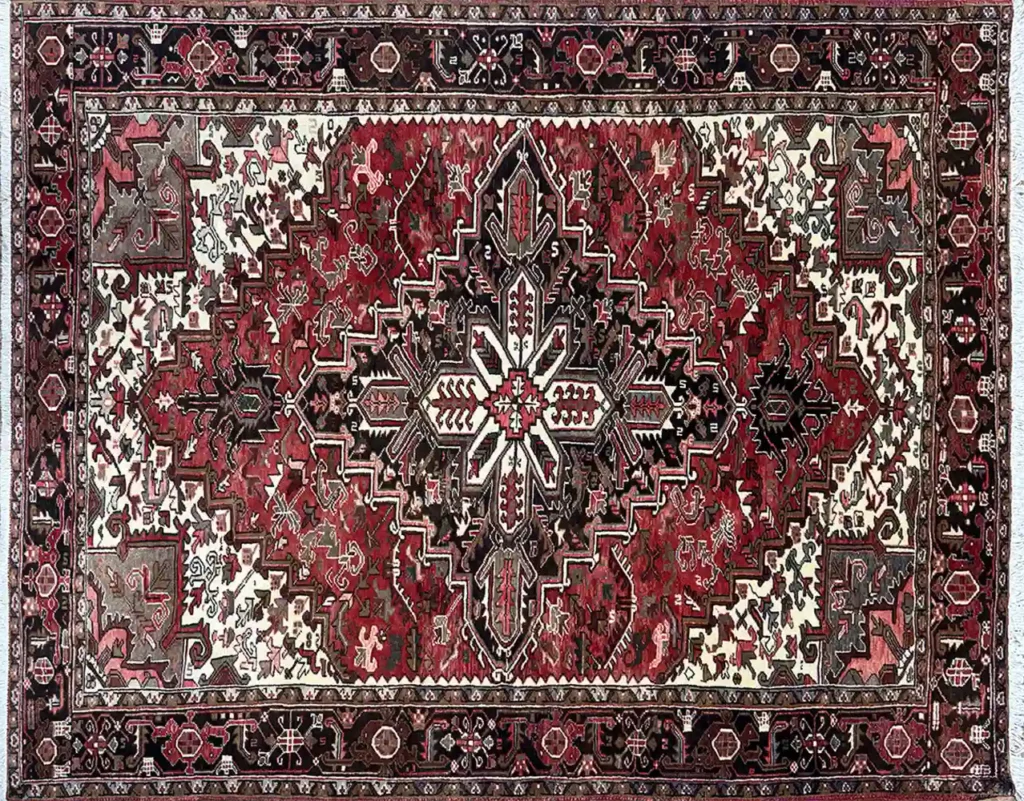
Heriz rugs are among the most recognizable and enduring Iranian handwoven rugs, admired for their bold geometric designs and exceptional durability. Woven in the mountainous regions of northwest Iran, these rugs are instantly identified by their strong angular patterns, large central medallions, and confident, architectural compositions. Unlike more delicate floral rugs, Heriz rugs convey a sense of power and stability, making them timeless and visually commanding
One of the most important reasons Heriz rugs are highly valued is their remarkable strength. The cold climate of the region produces thick, resilient wool that is ideal for long-lasting rugs. Combined with a dense and robust weaving structure, Heriz rugs are exceptionally suited for high-traffic areas and daily use
Beyond their durability, Heriz rugs hold strong cultural significance and global appeal. Their bold designs work beautifully in both traditional and modern interiors, making Heriz rugs a lasting investment and a true icon of Persian rug weaving
Nain Rugs: Delicacy, Precision, and Refined Luxury
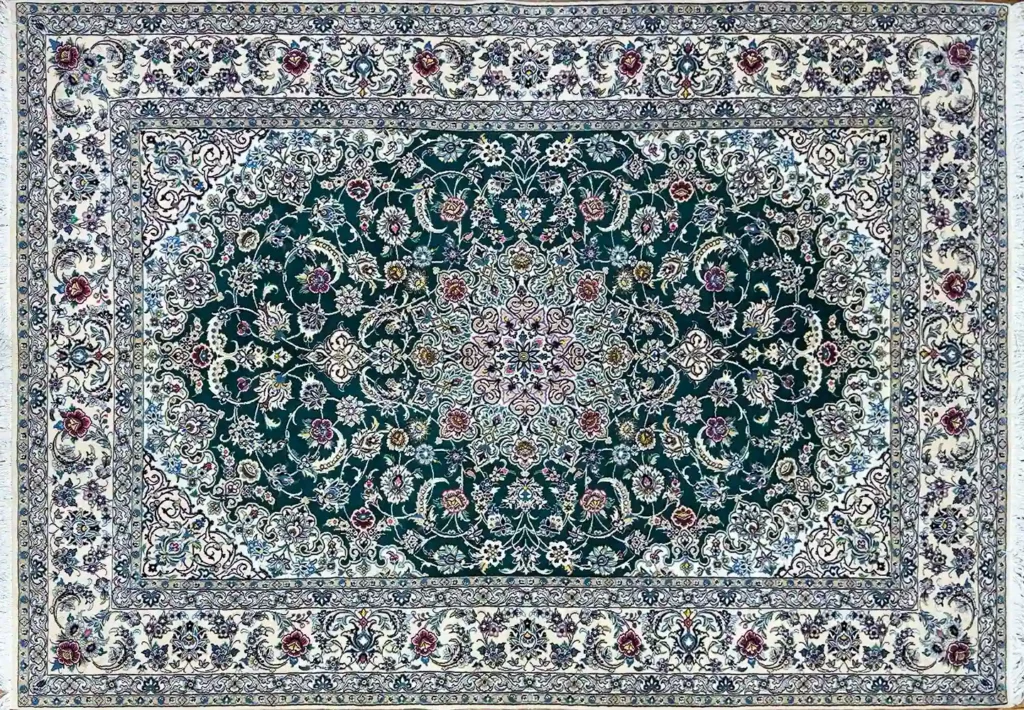
Nain rugs are renowned for their exceptional delicacy, refined craftsmanship, and elegant appearance. Originating from the historic town of Nain near Isfahan, these rugs are considered among the most sophisticated examples of Iranian handwoven rugs. They are especially admired for their high knot density, precise floral patterns, and harmonious compositions that reflect balance and refinement
One of the defining characteristics of Nain rugs is the use of fine materials. High-quality wool is often combined with silk highlights, known as gol-e abrisham, which are used to accentuate floral motifs and intricate details. This subtle use of silk adds a gentle sheen and a sense of luxury without overwhelming the design. Traditional Nain rugs typically feature light backgrounds such as ivory or cream, though rarer examples in blue or green are especially prized
Inspired by Persian architecture and classical aesthetics, Nain rugs embody elegance, precision, and timeless beauty. Their refined style and lasting quality make them highly desirable among collectors and connoisseurs worldwide
Conclusion: Iranian Handwoven Rugs as Art, Heritage, and Investment
Iranian handwoven rugs are far more than decorative objects; they are enduring expressions of art, culture, and craftsmanship. From the refined elegance of Tabriz and Kashan to the delicate precision of Nain and the bold strength of Heriz, each region offers a unique interpretation of Persian weaving traditions. What makes these rugs truly valuable is not a single factor, but a harmonious combination of quality materials, skilled craftsmanship, authentic design, regional identity, and historical significance
The most valuable Iranian rugs are those that preserve their originality through natural dyes, fine wool or silk, and thoughtful construction. Age, rarity, and the presence of a master weaver’s signature further enhance their importance and collectibility. Over time, these rugs do not lose value; instead, they often gain character and depth, becoming more desirable with each passing year
Whether admired as works of art, cultural treasures, or long-term investments, Iranian handwoven rugs continue to hold an unrivaled position in the world of handmade textiles. Owning one means preserving a living tradition — a timeless legacy woven by hand, meant to be appreciated for generations