WORLDWIDE SHIPPING // WEEKLY OFFERS ON INSTAGRAM



VEGETABLE VS CHEMICAL DYES IN PERSIAN RUGS
Color is one of the first things people notice when they look at a handwoven Persian rug. Whether it’s a deep navy field, a rich terracotta border, or soft ivory highlights woven into intricate floral motifs, the beauty of a Persian rug is often defined by the way its colors interact with light and space. But what many buyers don’t initially realize is that the type of dye used in a rug can have a significant impact not only on how the rug looks today, but also on how it will age over time.
Traditionally, Persian rugs were dyed using natural vegetable-based dyes derived from plants, roots, fruits, and even minerals found in the surrounding environment. These dyes were prepared using time-honored methods that were passed down through generations of master weavers and dyers. In more recent history, however, synthetic or chemical dyes became widely available, offering faster production times and a broader range of color consistency.
Both natural and synthetic dyes have their own characteristics, advantages, and practical uses in modern rug weaving. Understanding the difference between vegetable dyes and chemical dyes can help you make a more informed decision when selecting a Persian rug especially if long-term appearance and authenticity are important to you.
What Are Natural Vegetable Dyes?
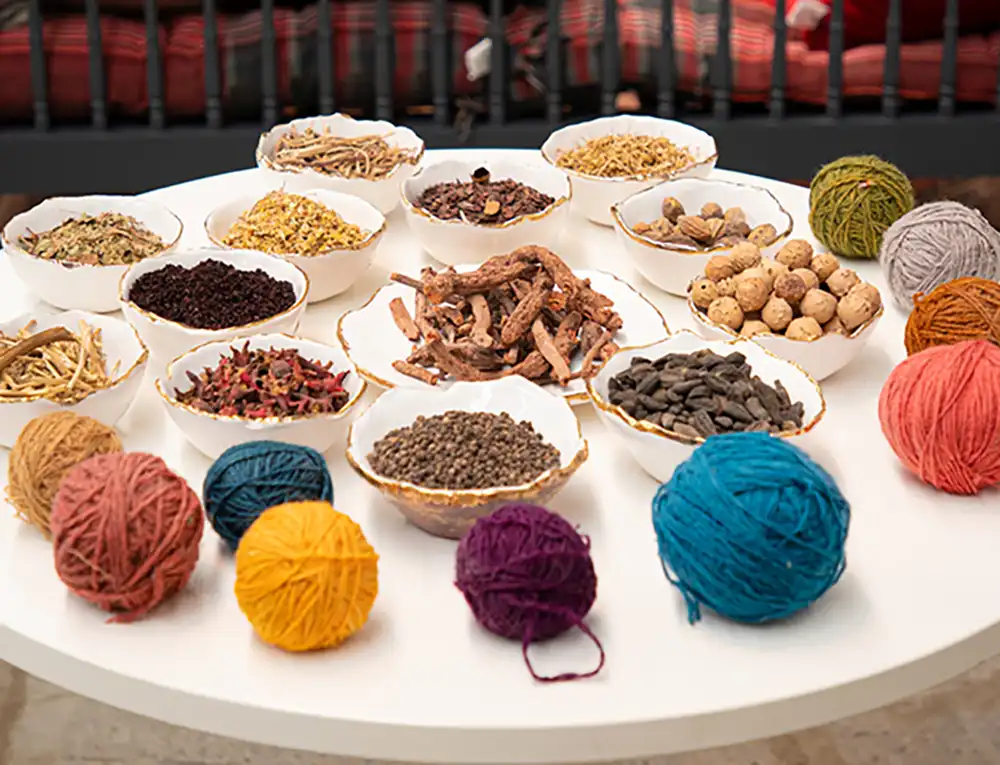
Natural vegetable dyes are traditional colorants derived from organic sources such as plants, roots, bark, leaves, flowers, and certain minerals. For centuries, Persian rug weavers relied entirely on these materials to create the rich and harmonious color palettes that are now associated with antique and semi-antique handmade rugs. Ingredients like madder root for reds, indigo plants for blues, walnut husks for browns, and pomegranate skins for soft yellows were commonly used to produce lasting, nuanced shades.
The process of creating vegetable dyes is both time-consuming and skill-intensive. Raw materials must first be harvested and prepared, then carefully boiled to extract their pigments. Wool yarn is subsequently soaked in these dye baths, often with natural mordants such as alum to help the fibers absorb and retain the color. Because the dyeing process depends on environmental factors including water quality, temperature, and the specific composition of the dye bath slight variations in tone are inevitable.
Rather than being seen as imperfections, these subtle shifts in shade are actually one of the most appreciated features of naturally dyed rugs. This gentle variation, sometimes referred to as color abrash, adds visual depth and character to the final piece. Over time, naturally dyed colors tend to mellow gracefully, developing a softer, more refined appearance that enhances the overall aesthetic of the rug without losing its original harmony.
What Are Synthetic Dyes?
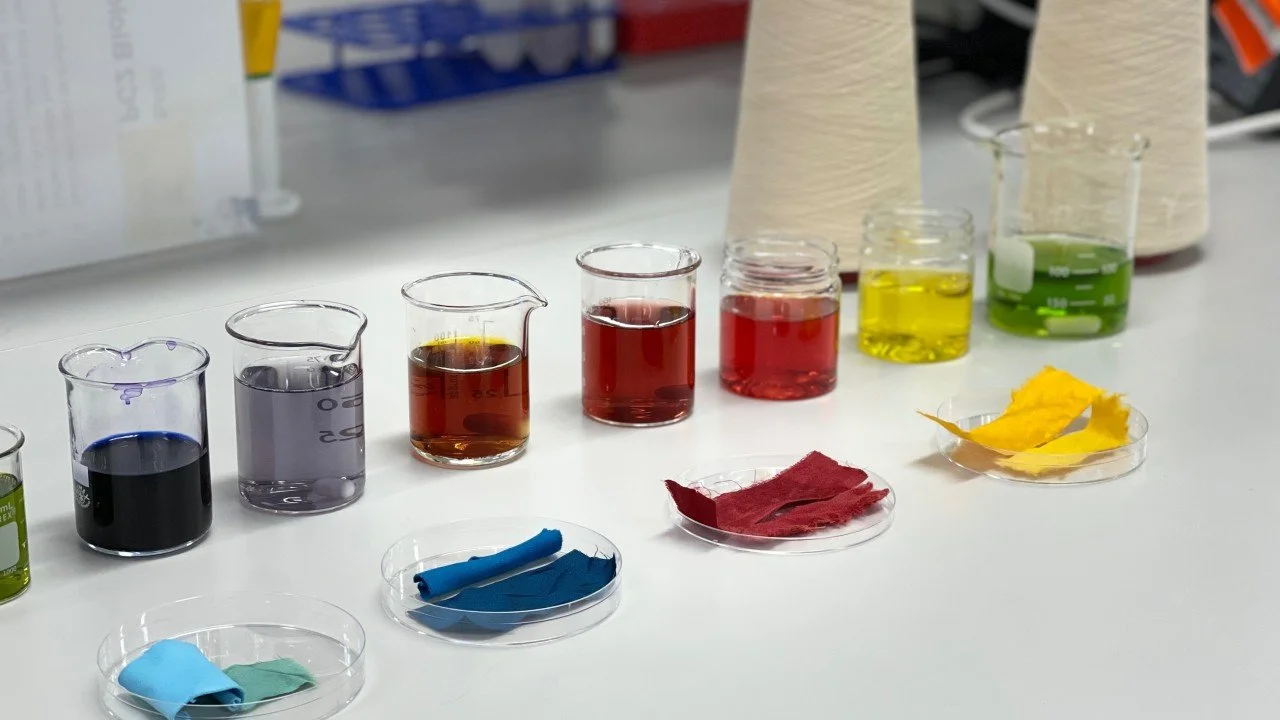
Synthetic dyes, also known as chemical dyes, were introduced to rug weaving in the late 19th century as industrial production methods became more widely available. Unlike natural vegetable dyes, which are derived from organic materials, synthetic dyes are manufactured using chemical compounds designed to produce consistent and vibrant colors in a shorter amount of time.
One of the primary advantages of synthetic dyes is uniformity. Because they are produced under controlled industrial conditions, these dyes can achieve precise color matching across large batches of yarn. This makes it easier for workshops to maintain consistency throughout the weaving process, especially in larger rugs where even slight color variation might be noticeable.
In addition, synthetic dyes generally require less preparation and processing time compared to traditional vegetable dyes. The dyeing process is more predictable, allowing yarn to absorb color quickly and evenly. As a result, production timelines can be shortened without significantly affecting the clarity or brightness of the design.
Modern synthetic dyes have also improved considerably in terms of colorfastness and durability. When applied correctly, they can resist fading and maintain their original intensity for many years. However, unlike naturally dyed fibers that tend to soften gradually over time, chemically dyed yarns usually retain a more stable tone throughout their lifespan.
Final toughts
In the world of handwoven Persian rugs, both vegetable dyes and synthetic dyes offer unique characteristics that influence the final appearance, durability, and overall personality of a rug. Rather than viewing one as absolutely superior to the other, it’s more accurate to understand that each dyeing method serves a different purpose depending on the expectations of the buyer and the intended use of the carpet.
Vegetable dyes, derived from natural sources such as plants, roots, bark, and minerals, are valued for the organic depth and subtle variation they bring to a rug’s color palette. These naturally dyed fibers often age gracefully, developing a soft patina over time that enhances the rug’s visual warmth and character. This gradual mellowing effect is one of the reasons many collectors and enthusiasts appreciate traditionally dyed Persian carpets, especially when long-term aesthetic evolution is desired.
On the other hand, chemical dyes provide a level of precision and consistency that can be beneficial in modern weaving contexts. Their ability to produce uniform tones allows for exact replication of specific colors throughout the rug’s field and borders. Advances in dye technology have also made modern synthetic dyes far more stable than earlier versions, enabling them to maintain brightness and resist fading when properly applied.
Ultimately, choosing between vegetable and chemical dyes comes down to personal preference, design priorities, and lifestyle needs. Some buyers are drawn to the natural harmony and time-earned beauty of vegetable-dyed rugs, while others may prefer the clarity and consistency offered by synthetic alternatives.
A well-crafted Persian rug regardless of dye type reflects the skill of its weaver, the quality of its materials, and the cultural tradition behind its design. Understanding how different dyeing techniques influence color behavior over time can help you select a rug that not only complements your interior space today but continues to satisfy your aesthetic expectations for years to come.