WORLDWIDE SHIPPING // WEEKLY OFFERS ON INSTAGRAM



HOME / BLOG
WHAT MAKES PERSIAN RUGS DIFFERENT FROM OTHER RUGS?
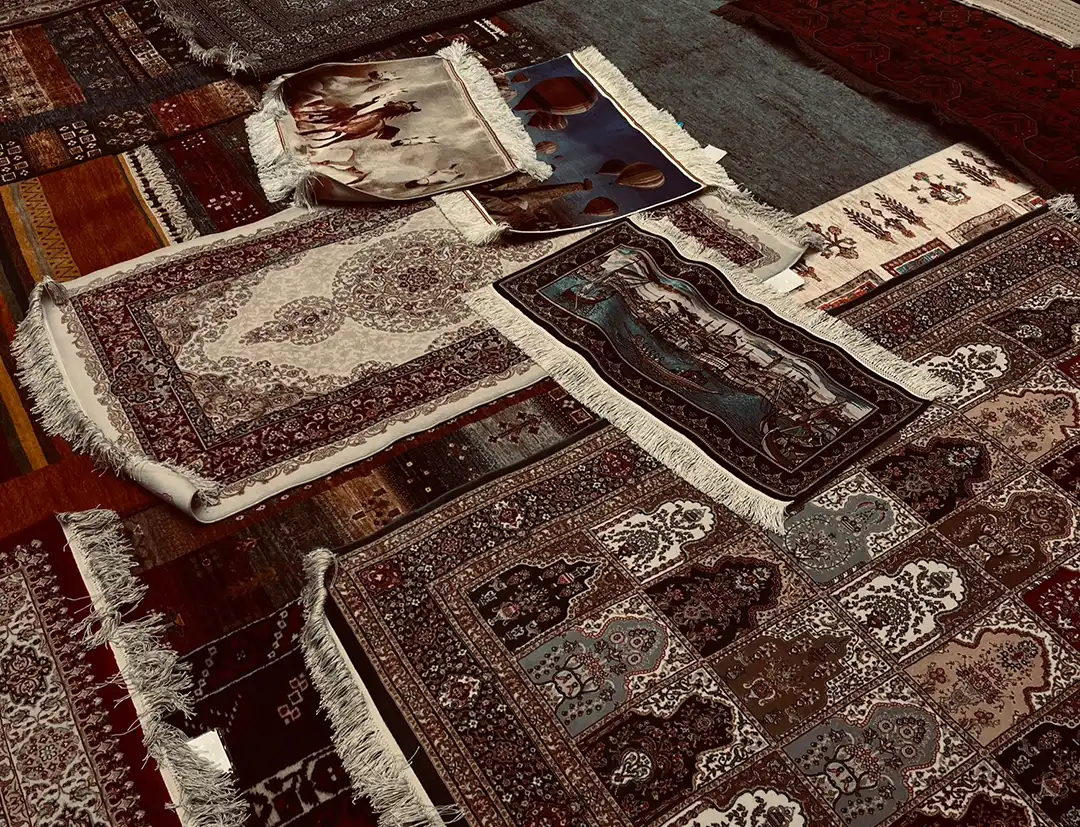
When comparing floor coverings from around the world, one question often comes up: What truly makes a Persian rug different from other rugs? At first glance, many rugs may appear visually appealing, colorful, or decorative. However, when you look deeper into craftsmanship, materials, durability, and long-term value, handmade Persian carpets stand in a completely different category
Handwoven Craftsmanship vs Mass Production
One of the most important differences between Persian rugs and other types of rugs is the weaving process itself. Authentic Persian rugs are entirely handwoven by skilled artisans who often spend months or even years creating a single piece. Every knot is tied by hand, resulting in exceptional detail, structural integrity, and artistic precision.
In contrast, many modern rugs are machine-made and mass-produced in factories. While they may look attractive initially, they lack the depth, uniqueness, and character that come from traditional hand-knotting techniques. A handmade Persian rug is not just manufactured it is crafted with care, patience, and expertise passed down through generations.
Natural Materials That Improve Over Time

Another key distinction lies in the materials used. Persian rugs are typically made from high-quality wool, silk, or a combination of both. These natural fibers provide durability, flexibility, and a rich texture that synthetic materials cannot replicate.
Modern rugs often rely on artificial fibers such as polypropylene or polyester, which may feel soft at first but tend to wear out more quickly. Natural wool used in Persian rugs has the unique ability to age gracefully. With proper care, it develops a subtle sheen and becomes even more beautiful over time rather than deteriorating.
Silk is sometimes incorporated into finer Persian carpets to highlight intricate patterns or borders. This adds dimension and gentle luminosity without compromising the rug’s strength.
Artistic Heritage and Timeless Design
Persian carpets are deeply rooted in centuries of artistic tradition. Their patterns are not randomly created for seasonal trends but are based on historical design languages that have evolved over generations. From medallion layouts to repeating floral motifs, each pattern carries cultural significance and visual harmony.
Many modern rugs are designed to follow temporary interior design trends. While fashionable in the short term, they often become outdated quickly. Persian rugs, on the other hand, maintain their elegance regardless of changing décor styles. Their timeless appeal allows them to complement both traditional and contemporary interiors effortlessly.
Durability That Supports Daily Use
Unlike many decorative rugs that are meant for light use, Persian rugs are built to last. Their dense knotting and strong foundations enable them to withstand daily foot traffic without losing their structure or clarity of design.
In fact, a well-maintained Persian rug can last for decades sometimes even generations. It is one of the rare home décor items that can be used regularly while still retaining its beauty and function.
Long-Term Value and Resale Potential

Perhaps the most unique aspect of Persian carpets is their ability to hold value over time. While most household items depreciate with use, a genuine handwoven Persian rug often maintains and sometimes even increases its worth.
This means that even after years of use, it can still be resold at a competitive price. In this sense, a Persian rug is not merely a decorative purchase but a long-term investment for your home.
A Functional Work of Art
Ultimately, what makes Persian rugs different from other rugs is the combination of practicality and artistry. They are durable enough for everyday living yet refined enough to be appreciated as collectible textiles.
Owning a Persian rug means bringing home something that is not only functional but also culturally meaningful a piece designed to be lived on, admired, and passed down through time.