

Value an Old Persian Rug
Owning an old Persian rug is like owning a piece of history. Whether it…
Article Guide
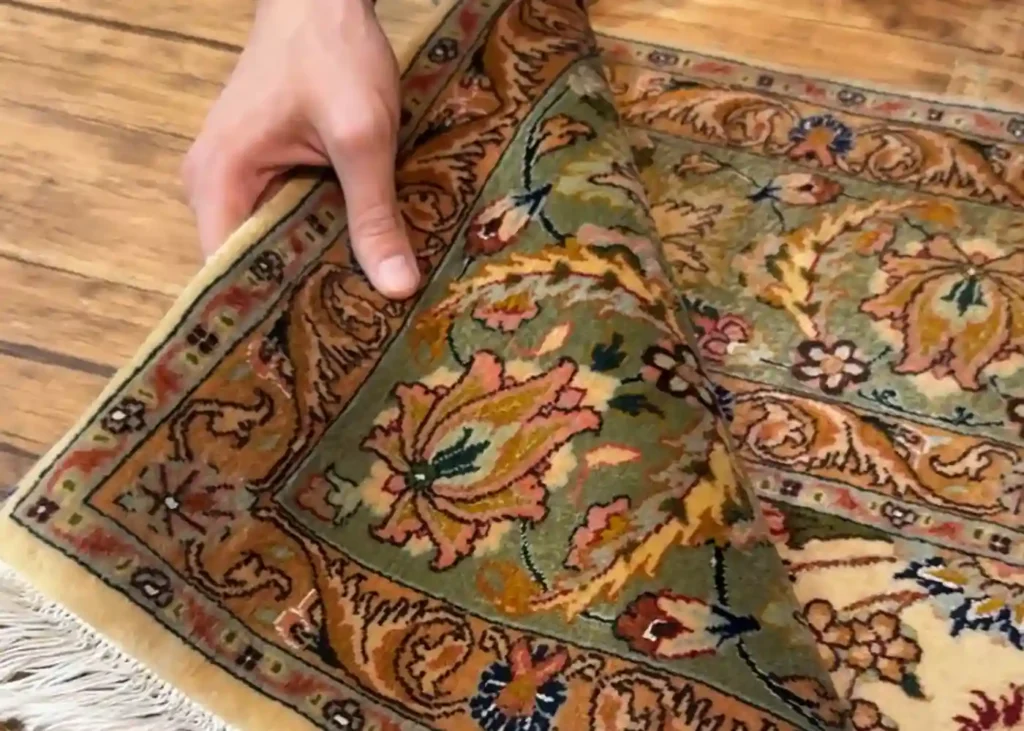
Owning an old Persian rug is like owning a piece of history. Whether it was inherited from your family, discovered at an estate sale, or purchased years ago, one question eventually comes to mind: how much is this rug actually worth?
The answer is rarely based on age alone. Two rugs that look similar at first glance can have completely different values because of their origin, materials, knot structure, dyes, condition, rarity, workshop, restoration history, and current collector demand. A beautiful rug can be valuable without being extremely old, while an antique rug can have limited market value if it is badly damaged, heavily altered, or poorly made.
Before estimating value, first confirm that the piece is genuinely hand-knotted. Our guide to
identifying an authentic Persian rug
explains the most important clues, including the back, fringes, knot structure, materials, and natural irregularities of hand craftsmanship.
How to Value an Old Persian Rug: 12 Essential Factors
Professional rug specialists do not begin with a price. They begin by identifying the rug and documenting its physical characteristics. The strongest valuations are based on evidence rather than assumptions, family stories, labels, or asking prices found online.
1. Confirm That the Rug Is Truly Handmade
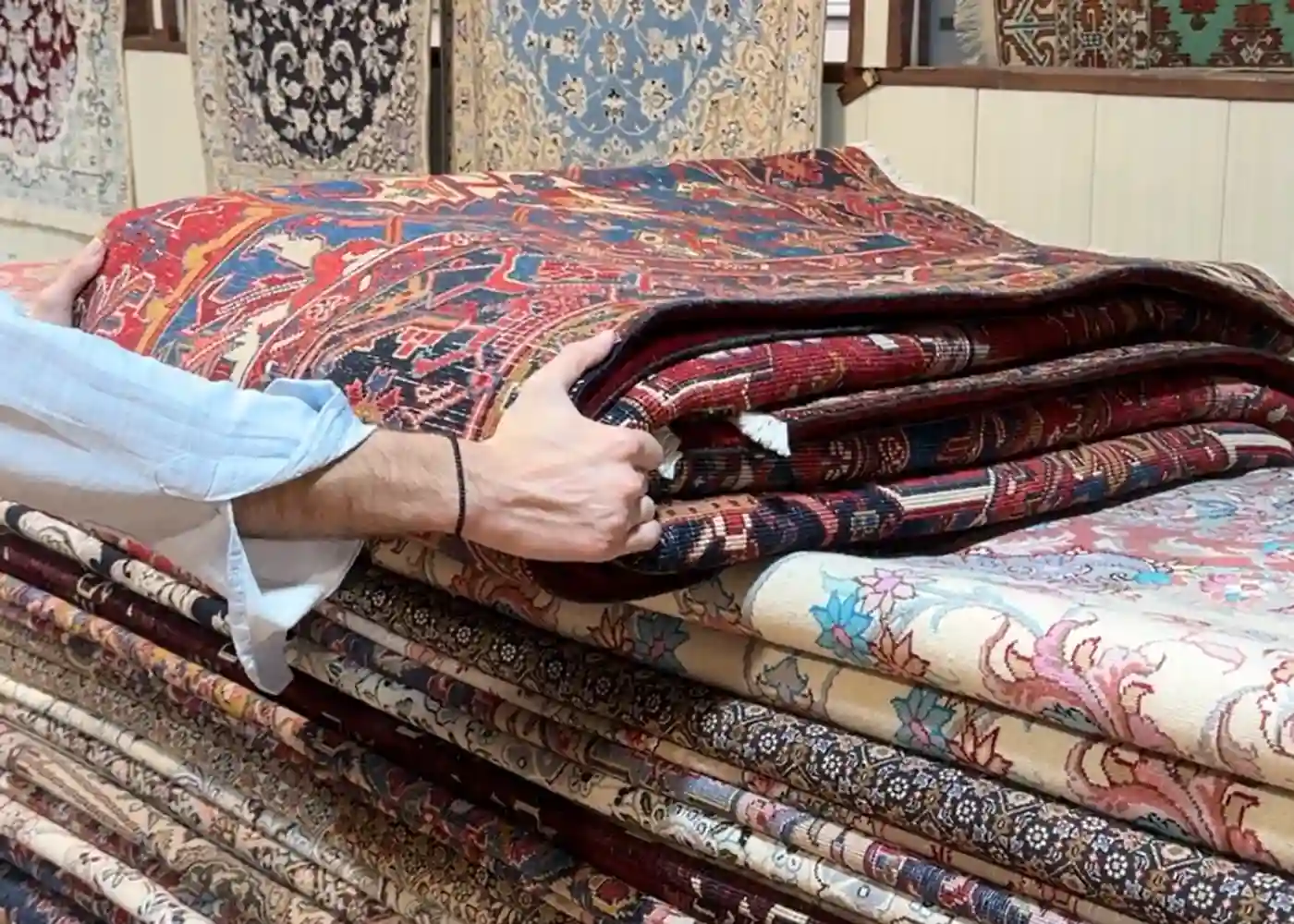
The first step is separating a hand-knotted rug from a machine-made carpet, hand-tufted rug, or printed floor covering. A genuine hand-knotted Persian rug is built knot by knot on a foundation of warp and weft. The fringes are normally continuations of the foundation rather than decorative pieces attached afterward.
Common Signs of a Hand-Knotted Rug
- Individual knots and the pattern are visible on the back.
- The back is detailed but not mechanically perfect.
- The fringes continue from the internal foundation.
- The edges are finished by hand.
- Small variations appear in knot tension, shape, or color.
- The design is visible on both the front and back rather than printed only on the surface.
Handmade does not automatically mean Persian, antique, or highly valuable, but authenticity is the foundation of every serious appraisal. For a direct structural comparison, see
handmade vs machine-made rugs.
2. Identify the City, Village, or Tribal Origin
Origin can have a major effect on value because different Persian weaving centers developed distinct structures, materials, patterns, color palettes, and workshop traditions. A rug should not be identified by its central medallion alone. Experts compare the knot type, foundation, border system, palette, handle, wool, and drawing style.
| Weaving Origin | Typical Characteristics | What May Support Higher Value |
|---|---|---|
| Tabriz | Fine workshop weaving, floral medallions, Mahi patterns, pictorial detail | High Raj, strong drawing, fine materials, recognized workshop, good condition |
| Isfahan | Elegant curvilinear designs, refined palettes, fine foundations | Exceptional drawing, silk details, balanced composition, older workshop quality |
| Qom | Fine modern workshop rugs, frequently woven with silk | Pure silk, precise knotting, signed workshop production, sophisticated design |
| Nain | Ivory and blue palettes, fine floral designs, wool with silk highlights | Fine La grade, quality wool, silk detailing, excellent preservation |
| Kashan | Classic floral medallions, rich reds and blues, city workshop structure | Fine Manchester wool examples, natural dyes, desirable age and condition |
| Heriz | Bold geometric medallions, strong wool, durable village construction | Older age, powerful drawing, rare colors, original ends and borders |
| Bidjar | Dense compact construction, heavy handle, exceptional durability | Older village examples, strong colors, rare designs, minimal structural damage |
If you are unsure about the weaving center, compare the rug with our overview of
Persian rug styles and regional types.
3. Estimate the Rug’s Age Carefully
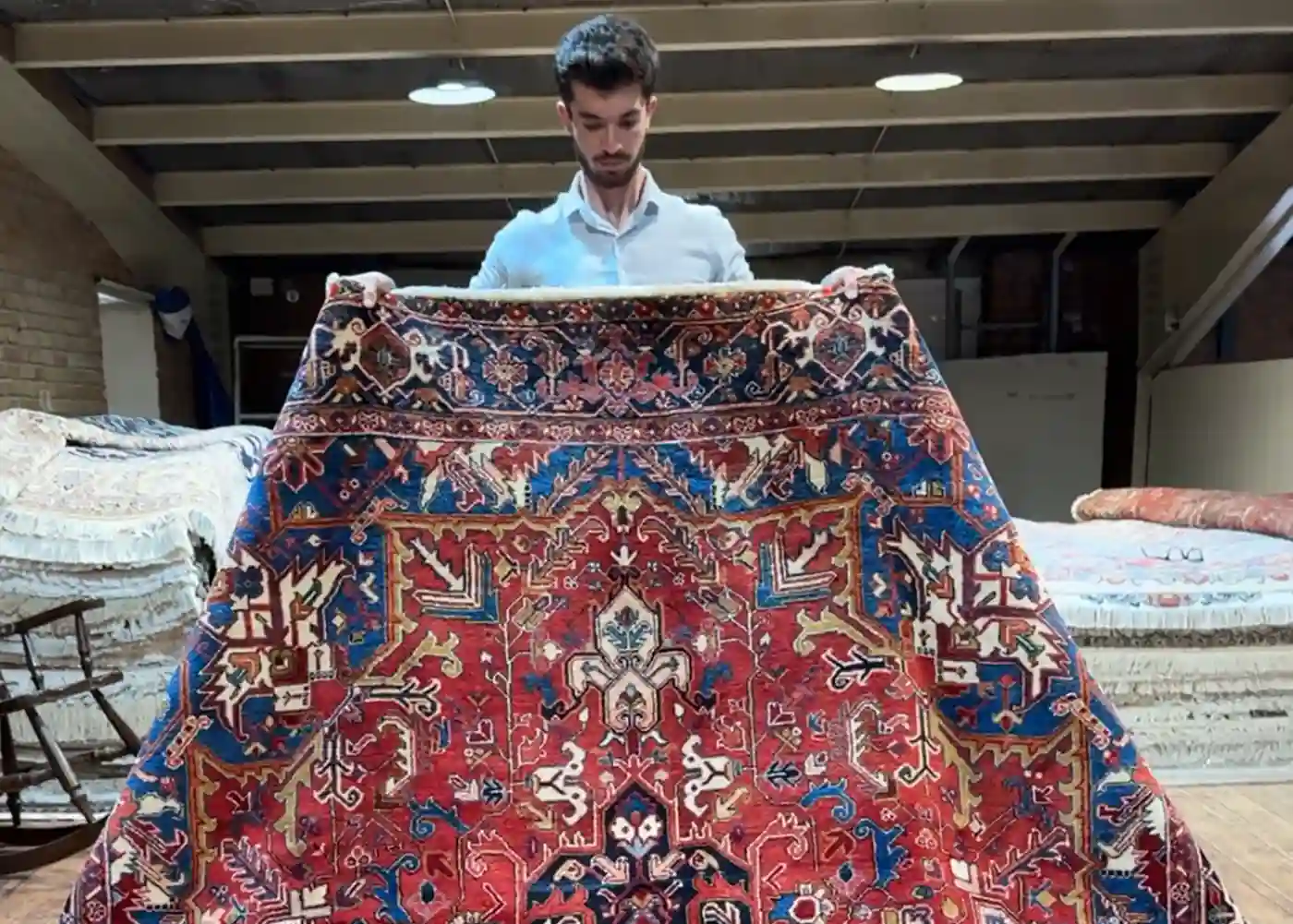
Age can strengthen value, but only when it is combined with quality, rarity, and acceptable condition. An older rug may show attractive patina, mature natural colors, and historical weaving characteristics. It may also have severe wear, missing borders, oxidation, reduced ends, or unstable repairs.
Useful Age Categories
- Contemporary: generally less than about 30 years old
- Vintage: commonly used for rugs roughly 30 to 80 years old
- Semi-antique: often used for rugs approaching 80 to 100 years
- Antique: generally 100 years old or more
These categories are practical market terms rather than exact scientific classifications. Experts estimate age through the foundation, dyes, wool, oxidation, weave, design, wear patterns, repairs, and documented history. Read
how to tell the age of a Persian rug
for a closer examination of those clues.
4. Examine Knot Density and Weaving Quality
Knot density helps explain how finely a design can be drawn, but it should never be used as the only measure of quality. Some city rugs depend on very fine curvilinear drawing, while village and tribal rugs may be valued for expressive geometry, strong wool, rare colors, and cultural character rather than extreme density.
| Approximate KPSI | General Description | Important Limitation |
|---|---|---|
| Below 100 | Coarser or more open weave | Can still be highly desirable in tribal and village rugs |
| 100–200 | Moderate to good detail | Material, design, and origin remain essential |
| 200–400 | Fine weaving with clearer curvilinear detail | High density does not correct poor wool or weak drawing |
| 400+ | Very fine technical weaving | Must be verified directly and considered with all other factors |
Count both horizontal and vertical knots on the back, and repeat the measurement in several undamaged areas. In Tabriz rugs, fineness may also be described by Raj rather than KPSI. Uneven tension, restoration, and different counting methods can produce conflicting numbers.
5. Understand How Wool, Silk, and the Foundation Affect Value
Materials influence texture, durability, fineness, appearance, and market position. However, the idea that silk is always more valuable than wool is too simplistic. A rare antique wool rug with outstanding dyes and artistic power may be more collectible than a newer silk rug with ordinary design or questionable workmanship.
| Material | Typical Characteristics | Possible Effect on Value |
|---|---|---|
| High-quality wool | Durable, resilient, rich color absorption, warm surface | Strong value when the wool is lustrous, evenly spun, and appropriate to the origin |
| Kork wool | Fine, soft wool often taken from selected areas of the fleece | Can support finer drawing and a more luxurious handle |
| Wool with silk highlights | Silk emphasizes outlines, flowers, medallions, or selected details | May increase refinement when the silk is genuine and used effectively |
| Pure silk pile | High sheen, fine yarn, exceptional detail, more delicate surface | Can command a premium in fine workshop rugs, especially with documented origin and excellent condition |
| Cotton foundation | Stable, strong, commonly used in city rugs | Normal and desirable for many traditions; cotton does not mean low quality |
| Silk foundation | Allows very fine spacing and flexible, precise weaving | Can support higher technical refinement but must be evaluated with the entire rug |
For a fuller comparison of durability, appearance, maintenance, room suitability, and buying priorities, read our dedicated guide to
wool vs silk Persian rugs.
6. Inspect the Condition From End to End
Condition is one of the strongest factors affecting the value of an old Persian rug. Buyers and appraisers inspect the pile, foundation, ends, side cords, corners, field, borders, and color stability. They also look for damage that may not be obvious from the front.
Problems That Commonly Reduce Value
- Holes, tears, or exposed foundation
- Missing ends, borders, or guard stripes
- Severe or uneven pile loss
- Moth damage and weakened fibers
- Water damage, mildew, or persistent odor
- Strong fading from sunlight
- Bleeding or unstable colors
- Paint, glue, pet stains, or chemical contamination
- Hard creases, dry rot, or brittle foundation threads
Moderate even wear may be acceptable in an antique rug, especially when the design remains legible and the structure is stable. Structural damage is more serious because it affects both appearance and long-term preservation.
7. Review Repairs, Restoration, and Alterations
Restoration does not automatically destroy value. Skilled conservation can stabilize an important rug, protect weak areas, and restore visual continuity. The questions are how much work was done, whether it was necessary, whether it is reversible, and whether the materials and technique match the original structure.
Restoration Details to Document
- Re-piling or re-knotting
- Rebuilt ends or side cords
- Rewoven corners
- Painted or tinted worn areas
- Patched holes
- Replaced fringes
- Reduced length or removed borders
- Backing, glue, or fabric reinforcement
High-quality restoration should be disclosed. Poor repairs, artificial coloring, aggressive trimming, or major reductions may lower collector confidence and market value even when the rug looks attractive in photographs.
8. Evaluate Natural Dyes, Synthetic Dyes, and Color Quality
Collectors often admire the depth and aging behavior of traditional natural dyes made from materials such as madder, indigo, walnut husks, pomegranate skins, weld, and cochineal. Natural dyes can develop subtle tonal changes and a soft visual harmony over time.
Synthetic dyes are not automatically poor. Many high-quality twentieth-century rugs use stable synthetic colors. The real concerns are harshness, fading, bleeding, chemical damage, and whether the palette fits the rug’s claimed age and origin.
What Experts Examine
- Whether colors are stable when tested professionally
- How the colors change from the pile tips to the base
- Whether fading is even or caused by long sunlight exposure
- Whether abrupt color changes represent natural abrash or later repair
- Whether the palette is plausible for the region and period
Abrash—gentle variation within a color area—can reflect different dye batches or wool and is often appreciated as part of the handmade character. It should not be confused with stains, bleaching, or poorly matched restoration.
9. Study the Design, Artistic Quality, Workshop, and Rarity
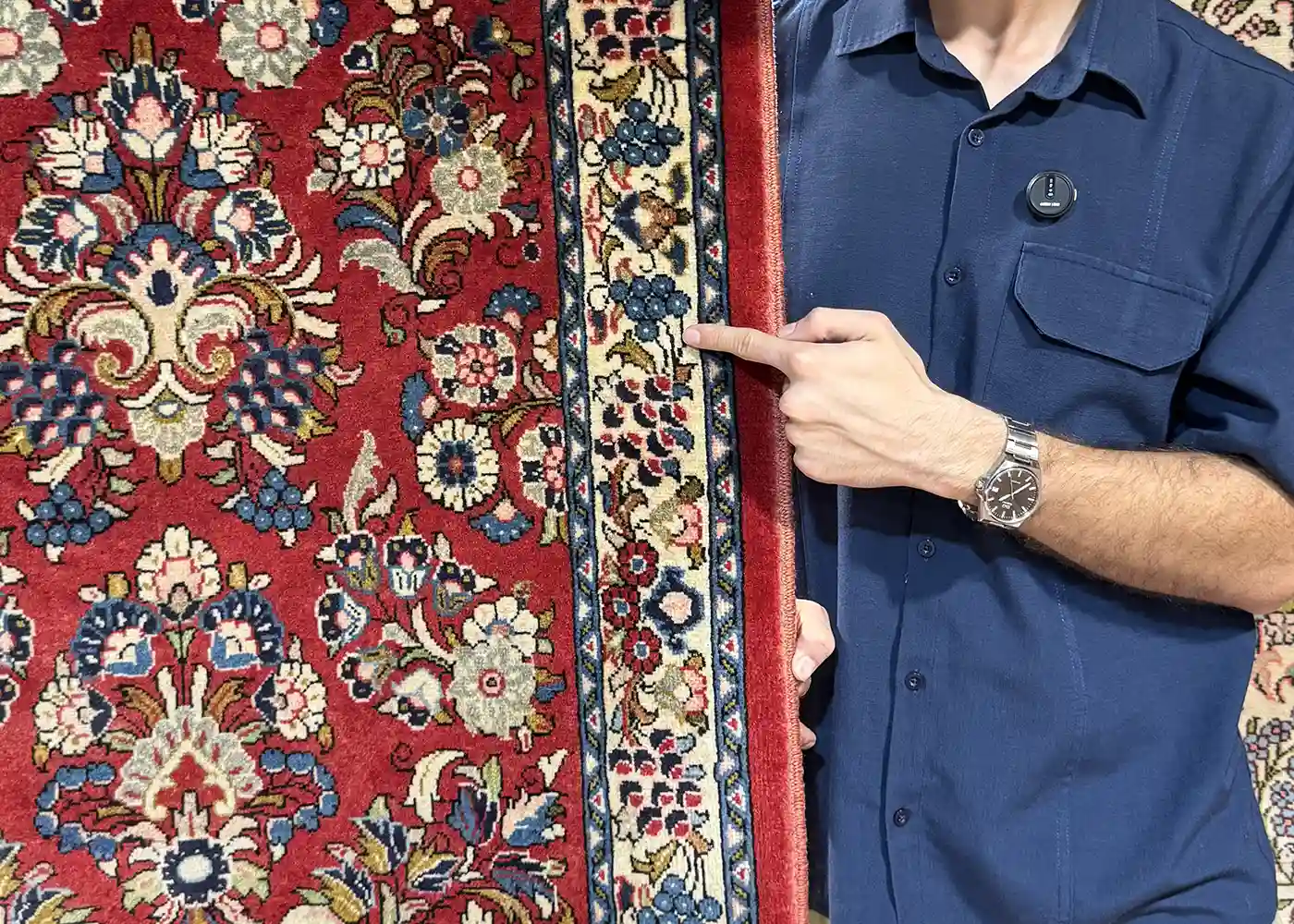
A rug’s value is not determined only by how difficult it was to weave. Artistic quality matters: proportion, rhythm, border relationships, spacing, drawing confidence, color balance, and the way motifs interact across the field.
Features That May Increase Collector Interest
- Rare regional or workshop designs
- Exceptional Tree of Life, garden, hunting, pictorial, or prayer compositions
- Signed workshop pieces with credible attribution
- Unusual but harmonious color combinations
- Outstanding drawing and border design
- Historically important iconography
- Documented work by a recognized master or workshop
- Surviving pairs or exceptionally rare sizes
Auction records show that the highest prices are usually achieved by rugs that combine rarity, beauty, history, condition, and documented significance—not simply age or knot count. Our overview of
the most expensive rugs sold at auction
illustrates how exceptional pieces reach a completely different market from ordinary decorative rugs.
10. Consider Size, Shape, and Practical Market Demand
Larger rugs require more materials and labor, but price does not increase in a perfectly linear way. A size that fits common living rooms or dining rooms may attract more buyers than an unusual shape, extremely narrow width, or oversized palace carpet that requires a specialized space.
| Format | Typical Market Consideration |
|---|---|
| Small rug or mat | Easy to place, but total price may be limited unless the piece is rare or exceptionally fine |
| Room-size rug | Often has strong decorative demand when proportions suit common interiors |
| Runner | Demand depends on length, width, condition, and suitability for hallways |
| Oversized carpet | Can be highly valuable but has a smaller buyer pool and higher shipping or handling requirements |
| Unusual square, round, or pictorial format | May be rare and desirable, or commercially difficult, depending on quality and current demand |
To compare the practical categories available on the site, visit the
handmade rug collections.
11. Check Provenance, Signatures, Labels, and Documentation
Provenance is the documented history of ownership, exhibition, publication, workshop attribution, or sale. Strong provenance can increase confidence and sometimes value, particularly for important antique or signed workshop pieces.
Useful Supporting Documents
- Original invoices or dealer records
- Previous professional appraisals
- Old family photographs showing the rug
- Exhibition or museum records
- Auction catalog entries
- Export, shipping, or customs documents
- Workshop labels or inscriptions
- Professional restoration reports
A signature woven into a rug is not automatically proof of a famous workshop. It must be read correctly and evaluated with the rug’s structure, age, style, and documented history. Printed labels and family stories can be useful clues, but they require verification.
12. Compare Current Market Demand and Real Comparable Sales
The final stage is comparing the rug with genuinely similar pieces. Asking prices are not the same as achieved prices, and two rugs should not be considered comparable simply because both are called “Tabriz” or “antique Persian.”
A Useful Comparable Should Match as Closely as Possible In:
- Origin and weaving tradition
- Approximate age
- Dimensions and format
- Materials and foundation
- Knot structure and technical quality
- Design and color palette
- Condition and restoration history
- Workshop or attribution
- Sales channel and geographic market
A dealer retail price, auction estimate, auction result, insurance replacement value, and private-sale value may all be different. Therefore, an old appraisal should not be treated as a permanent market price.
Understand the Type of Value You Need
Before requesting an appraisal, decide why you need the valuation. The same rug may receive different figures depending on the purpose.
| Type of Value | What It Generally Represents |
|---|---|
| Fair market value | A reasonable price between an informed buyer and seller under normal conditions |
| Retail replacement value | The estimated cost of replacing the rug through an appropriate retail source |
| Auction value | A possible range in a competitive auction, before or after fees depending on the report |
| Dealer purchase or trade value | A lower wholesale-oriented amount that allows for resale costs, risk, and margin |
| Estate or donation value | A purpose-specific figure that may require formal documentation and local professional advice |
A Practical At-Home Evaluation Checklist
Before contacting an appraiser or dealer, collect clear information. This makes the first evaluation more efficient and reduces the risk of misidentification.
Should You Clean an Old Persian Rug Before Appraisal?
Do not use household carpet machines, steam cleaners, bleach, strong stain removers, or aggressive scrubbing. Cleaning may improve appearance, but an incorrect method can cause dye bleeding, shrinkage, distortion, or foundation damage.
For an important rug, obtain advice from a specialist familiar with hand-knotted Persian rugs before cleaning. Photograph the rug and document its current condition first. In some cases, an appraiser may prefer to inspect the piece before any conservation work begins.
Professional Evaluation From Arghavan Rugs
Determining the value of an old Persian rug requires more than matching it to a similar picture online. Every rug must be examined as an individual object: origin, materials, knot structure, design, age, color, condition, restoration, rarity, provenance, and market position all contribute to the conclusion.
Collectors and buyers can also explore the
Old & Antique Rugs collection
to compare the character, materials, sizes, and weaving traditions found in carefully selected handmade pieces.
Frequently Asked Questions
How Can I Tell Whether My Old Persian Rug Is Valuable?
Start by confirming that it is hand-knotted, then examine its origin, materials, age, knot structure, condition, dyes, design, restoration, and provenance. A respected weaving origin or fine material can support value, but the complete combination matters more than any single feature.
Does Being More Than 100 Years Old Automatically Make a Rug Valuable?
No. Antique age can increase interest, but quality, rarity, condition, artistic merit, and market demand are equally important. Some old rugs have modest value, while younger workshop rugs may be highly desirable.
Is a Silk Persian Rug Always Worth More Than a Wool Rug?
No. Silk can support finer detail and a luxury market position, but an exceptional antique wool rug may be rarer and more valuable than a newer silk rug. Fiber authenticity, origin, design, condition, and workmanship must all be considered.
Does a High Knot Count Guarantee High Value?
No. High knot density supports detailed drawing, but does not guarantee good materials, attractive colors, important origin, age, rarity, or strong artistic quality.
Can a Restored Persian Rug Still Be Valuable?
Yes. Appropriate professional restoration can preserve a valuable rug. The effect on price depends on the amount, location, quality, and visibility of the work, as well as how much original material remains.
Can I Value a Persian Rug From Photographs Alone?
Photographs can support a preliminary identification, but a final high-value appraisal usually requires direct examination. Texture, fiber weakness, odor, color stability, hidden repair, and exact structure may not be visible in images.
Final Thoughts
If you are learning how to value an old Persian rug, avoid searching for one feature that will reveal a final price. Age, silk, knot count, a signature, or a family story can be meaningful, but none is conclusive by itself.
The most desirable rugs bring several strengths together: authentic craftsmanship, a credible origin, quality natural materials, artistic design, balanced colors, rarity, stable condition, sensitive restoration, and documented history. Evaluating those elements as a complete picture is the most reliable way to understand the rug’s position in today’s market.
Explore Old and Handmade Persian Rugs
Compare authentic pieces by origin, material, design, size, age, and weaving character across Arghavan Rugs’ curated collections.