WORLDWIDE SHIPPING // WEEKLY OFFERS ON INSTAGRAM



HOME / BLOG
HOW OFTEN SHOULD YOU WASH A HANDWOVEN PERSIAN RUG?
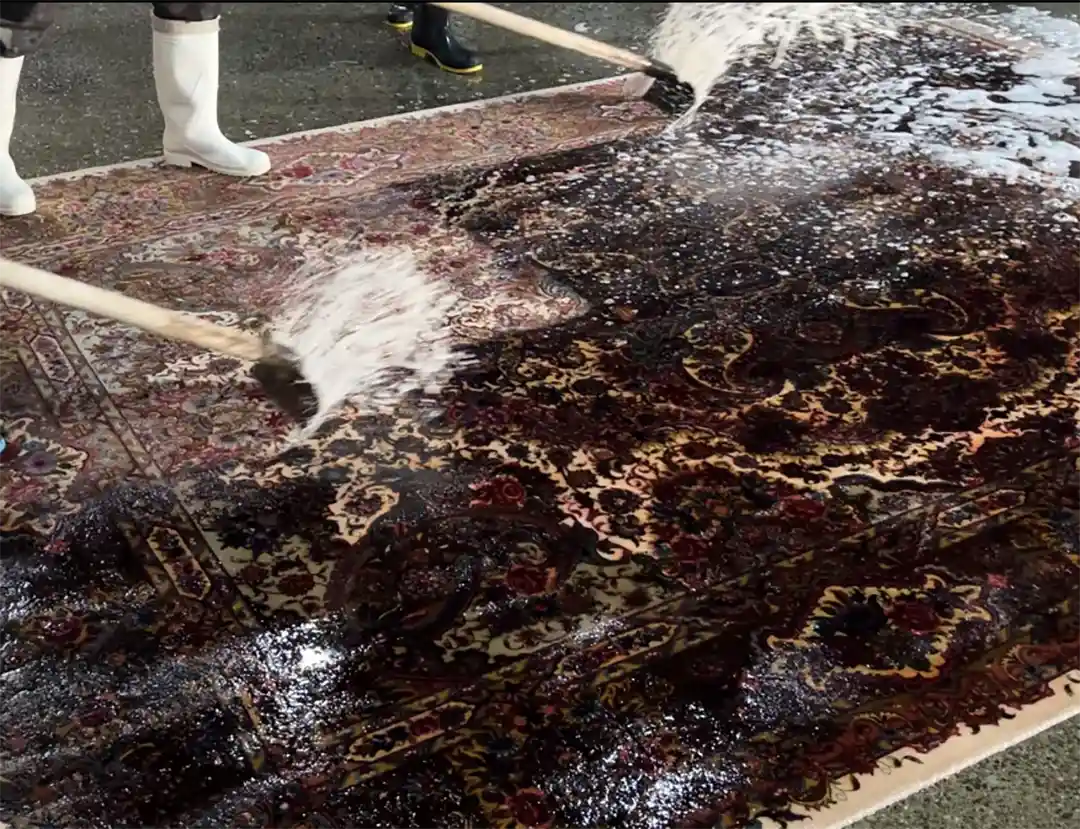
One of the most common questions owners ask is: How often should a handwoven Persian rug be washed? The answer depends on usage, location, and maintenance but there are clear professional guidelines.
In general, a high-quality handwoven Persian rug should be professionally washed every 3 to 5 years under normal residential use. This interval allows dirt, dust, and microscopic grit to be removed before they begin damaging the wool fibers from within.
Many people assume that because a rug “looks clean,” it does not need washing. However, dust particles settle deep into the foundation of the rug. Over time, these particles act like sandpaper, slowly wearing down the fibers each time the rug is walked on. Regular professional cleaning preserves both the structure and the long-term value of the rug
When Should You Wash It Sooner?
You may need cleaning every 1 to 2 years if:
The rug is placed in a high-traffic area
There are pets in the home
The rug is exposed to food spills or heavy foot traffic
Allergies are a concern
Large rugs in living rooms or hallways often require more frequent attention than decorative rugs in low-traffic rooms.
Never Overwash
Overwashing can be just as harmful as neglect. Handmade Persian rugs are made with natural wool and vegetable dyes. Harsh chemicals, steam cleaning, or aggressive mechanical washing can damage fibers and fade colors.
Professional handwashing — not machine cleaning — is always recommended.
Can You Wash a Persian Rug at Home?
This is another question many rug owners ask and the honest answer is: generally, no — not in the way most people think.
Handwoven Persian rugs are not like ordinary carpets. They are made with natural wool, cotton foundations, and often vegetable dyes. These materials react differently to water, heat, and cleaning agents. Using standard carpet shampoo machines, steam cleaners, or strong chemical detergents can cause permanent damage.
One of the biggest risks of home washing is color bleeding. Natural dyes, especially in older or high-quality rugs, can release color if exposed to excessive moisture or incorrect pH levels. This can blur patterns and distort the design. Another risk is shrinkage. If the cotton foundation absorbs too much water and dries unevenly, the rug can lose its shape.
However, basic surface maintenance at home is not only safe — it is essential.
What You Can Do at Home
Vacuum regularly (once a week in high-traffic areas). Use suction only. Avoid rotating brush bars, as they can pull fibers.
Rotate the rug every 6–12 months to ensure even wear.
Blot spills immediately with a clean, dry cloth. Never rub.
Avoid prolonged direct sunlight, which can fade natural dyes over time.
For deep washing, odor removal, or stain treatment, always choose a professional who specializes in handwoven rugs not a general carpet cleaning company.
A Persian rug is an investment and a piece of art. Treating it with proper care ensures it will remain beautiful and valuable for decades.
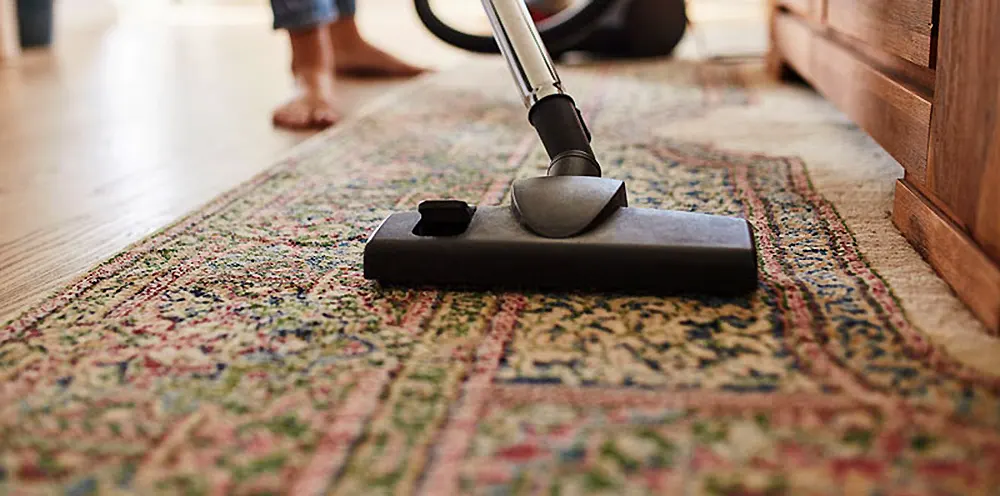
How to Vacuum a Handwoven Persian Rug Properly
Vacuuming may seem simple, but doing it incorrectly is one of the most common ways people accidentally damage a handwoven Persian rug. Proper vacuuming protects the fibers, preserves the structure, and extends the life of the rug.
First, always use suction only. Avoid vacuum cleaners with aggressive rotating brush bars or “beater bars,” especially on delicate or fine rugs. These rotating brushes can pull at the wool fibers, weaken the knots, and cause premature wear. If your vacuum has a brush roll, switch it off or use a flat suction attachment instead.
Vacuum in the direction of the pile whenever possible. You can gently run your hand across the surface to feel which direction is smoother that is the direction of the pile. Going against it occasionally is not harmful, but consistent rough back-and-forth movements can stress the fibers over time.
For high-traffic areas, vacuuming once a week is ideal. In lower-traffic rooms, every two weeks may be sufficient. Regular vacuuming removes abrasive dust and grit that settle deep into the rug’s foundation. These tiny particles, if left inside, slowly grind against the wool each time someone walks across the rug.
Don’t forget the back of the rug. Every few months, lightly vacuuming the underside can help remove trapped dust.
Proper vacuuming is simple, but it plays a major role in protecting both the beauty and long-term value of a Persian rug.